PTSD From Emotional Abuse 2

Can You Get PTSD From Emotional Abuse? What You Should Know


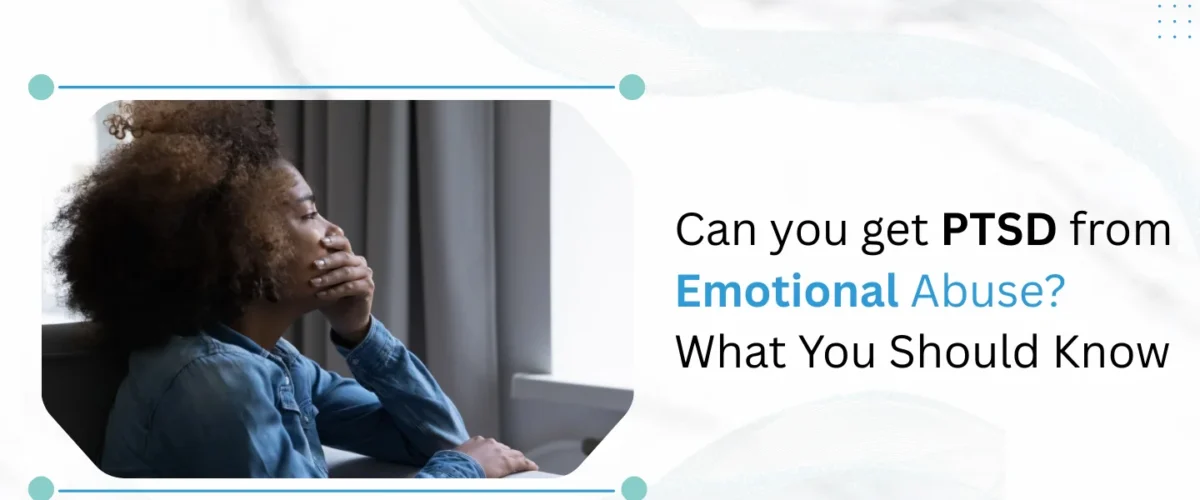
Emotional abuse can hurt the mind in deep ways. Many people think trauma only comes from war, accidents, or physical harm. But the truth is simple: words, control, fear and long-term emotional pain can also damage the brain and heart.
Many people ask one clear question: “Can emotional abuse cause PTSD?”
Yes. It is possible. Long periods of emotional harm can lead to symptoms linked to Post Traumatic Stress Disorder.
At Veve Health Services LLC, we help people who carry the weight of emotional trauma. Our goal is to support healing with care that is kind, personal and complete.
Below, we explain what emotional abuse does, how trauma forms and how support can help you recover.

What Is Emotional Abuse?

Emotional abuse occurs when someone uses words or control to hurt another person repeatedly.
This abuse may happen in:

  • Romantic relationships
  • Families
  • Workplaces
  • Friend groups

Many people also ask themselves, “Am I being abused?”
Common signs of emotional abuse include:

  • Constant criticism
  • Name calling
  • Blaming you for everything
  • Gaslighting
  • Isolation from friends and family
  • Threats or manipulation
  • Controlling your actions or choices

Many victims hear harmful words every day. Over time, the brain learns to live in fear. The stress becomes part of daily life. This is how trauma slowly grows.

Can Emotional Abuse Cause PTSD?

Yes. PTSD may be caused by emotional abuse over a long period. Trauma develops when an individual experiences insecurity, helplessness, or domination. Emotional abuse often includes fear, humiliation and manipulation.
These experiences repeat the stress system of the brain. With time, the nervous system starts to remain in survival mode. This may result in domestic violence and PTSD symptoms, in the absence of physical harm.
Many survivors continue to face memories, anxiety and emotional distress even after the abuse stops. The brain reacts differently to trauma.

Why Emotional Abuse Can Be So Harmful

Emotional abuse is often invisible. There are no bruises or broken bones.
But the brain still reacts to the threat.
When someone hears harsh words daily, the mind begins to believe them. Fear becomes normal. Confidence fades. Stress builds inside the body.
Over time, this can lead to:

  • Anxiety
  • Panic attacks
  • Depression
  • Sleep problems
  • Trauma responses

The brain stores painful memories. These memories can return without warning.
That is when PTSD symptoms appear.

Signs You May Have PTSD From Emotional Abuse

Most individuals who have undergone emotional abuse are not aware that their symptoms can be PTSD. They may think they are simply anxious or sensitive.
Some warning signs of emotional trauma include:

  • Feeling tense or unsafe even when nothing is wrong
  • Being easily startled
  • Reliving painful conversations or memories
  • Avoiding people or places connected to the abuse
  • Struggling with trust in relationships
  • Feeling guilt or shame about the past
  • Constant worry or fear

If these sentiments distract from normal life, professional assistance can prove to be a strong force.

Long Term Effects of Emotional Abuse

Prolonged emotional abuse impacts many areas of life.
Common long-term effects include:

  • Low self-esteem
  • Fear of relationships
  • Difficulty trusting others
  • Trouble making decisions
  • Chronic stress
  • Depression
  • Panic disorders

Many survivors feel alone. They might not know that their pain has a name. The initial process of being well is understanding trauma.

Who Is Most at Risk?

Any person may be emotionally abused. It may occur in any culture, age and social class.
Some people face a higher risk, such as:

  • Children growing up in abusive homes
  • Partners in controlling relationships
  • People with limited support systems
  • Individuals facing financial dependence

Emotional abuse may be prolonged when an individual feels trapped or powerless. This puts the risk of trauma at an augmented level.

How PTSD From Emotional Abuse Is Diagnosed

A psychiatrist should assess the symptoms to diagnose PTSD. During an evaluation, we consider:

  • Trauma history
  • Emotional symptoms
  • Stress reactions
  • Sleep patterns
  • Daily functioning

At Veve Health Services LLC, we provide telepsychiatry evaluations, allowing patients to speak with professionals from home. This can help people seek support sooner.

How Treatment Helps Trauma Survivors

Healing from emotional abuse is possible. The brain can recover with the right care and guidance.
At Veve Health Services LLC, treatment often includes several parts.

  • Psychotherapy

Therapy helps the patients realize trauma and overcome painful memories. Our counselor offers a secure atmosphere to speak openly.

Over time, therapy helps rebuild confidence and emotional strength.

  • Medication Management

Medication helps some patients reduce anxiety, depression and severe trauma symptoms. Therapy should go hand in hand with medication to aid healing.

  • Psychoeducation

Learning about trauma helps people understand their symptoms. Knowledge removes shame and confusion.
Patients explore how the brain copes with stress and how mending happens.

  • Culturally Sensitive Care

Culture influences our view of mental health and trauma. Culturally aware care helps people recover and builds trust.
Our team listens carefully. We walk beside each patient throughout their healing journey.

Is PTSD Permanent or Can It Heal?

One of the most common questions survivors ask is: Is PTSD forever?

PTSD does not have to last a lifetime. With proper care, the brain can process traumatic memories, reduce stress responses and gradually recover.
Healing is possible with consistent and personalized mental health treatment.

Steps Toward Healing

Emotional abuse is time-consuming. It takes small steps to achieve a lot.
Helpful steps include:

  1. Acknowledge the abuse happened
  2. Professionally seek mental health care
  3. Be informed of trauma and recovery
  4. Develop facilitative relationships
  5. Practice self-compassion
  6. Focus on emotional safety

With the appropriate support, the brain slowly learns that life can be safe again. Recovery is real.

Final Words

Trauma from emotional abuse is real. No one deserves to carry that pain alone.
If you seek an emotional abuse therapist near me, assistance for PTSD, we’re here to help. We also offer counseling for abusers.
At Veve Health Services LLC, we provide comprehensive care for people facing post-traumatic stress disorder and other mental health challenges.
Book your appointment today and begin your path toward recovery and emotional strength.

FAQs

How do I know if I’m being psychologically abused?

Look for constant criticism, gaslighting, manipulation, isolation and feelings of fear or worthlessness.

What does a PTSD episode feel like?

It can be flashbacks, heart palpitations, hyperventilation, perspiration, numbness of the feelings, or dissociation.

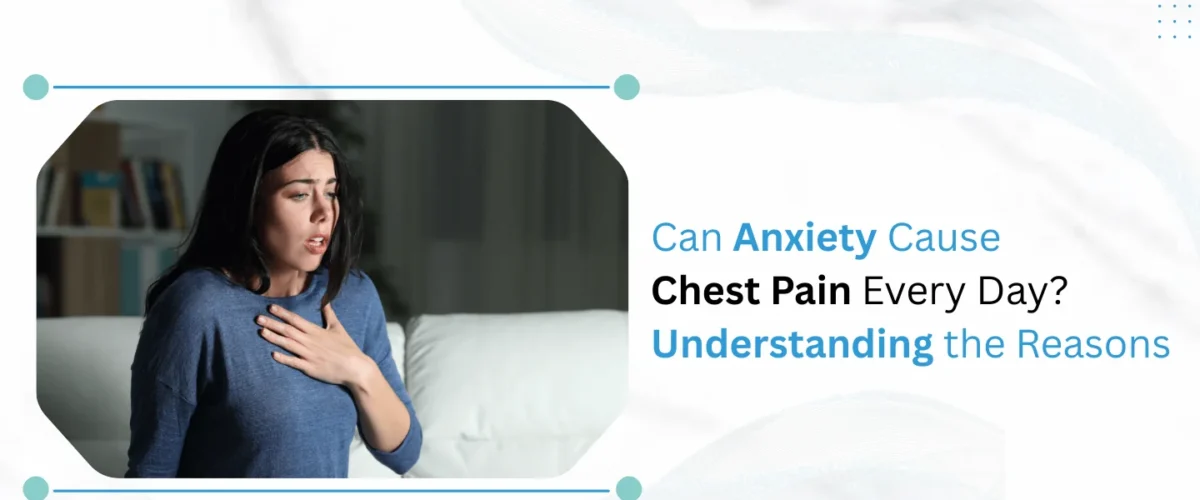
Can Anxiety Cause Chest Pain Every Day

Can Anxiety Cause Chest Pain Every Day? Understanding the Reasons

Chest pain can feel scary. You can ask yourself whether every day you can make your chest hurt because of worry or anxiety. Anxiety, heart problems, or lung issues can cause chest pain. Know why you feel pain. Also, know when to get help.

What Is Chest Pain?

Chest pain is discomfort. It may feel like tight chest anxiety or a constricted feeling. It can seem like a sting, a jab, or a heavy burden. Chest pain can be attributed to various things. Other reasons are not threatening. Other reasons can be quite severe and require urgent attention.

How Can Anxiety Cause Chest Pain?

When you are anxious, your body prepares to defend you. This is referred to as the fight or flight response. Your heart beats faster. You breathe faster. Your muscles can tighten. This can all cause the chest to tighten or be sore. Panic attacks are a potent anxiety disorder. Chest pain in anxiety attack situations is usually sudden. Many people feel pain in their chest during these times. They might have a fast heartbeat. They can sweat. They may also have trouble breathing.

Why Might Chest Pain Happen Every Day with Anxiety?

When a person feels concerned most of the time, their body will be on high alert. This can cause the pain in the chest to recur frequently. The following are some of the reasons why chest pain can occur daily:

  • Your chest muscles are tight. They feel stiff.
  • You breathe too fast (hyperventilating). This may cause cramping of the chest muscles.
  • You experience a recurrence of panic attacks. These are capable of producing short-lived, yet severe chest pains.
  • Stress is making your chest sore.

Identifying Whether Chest Pain Is Linked to Anxiety or Another Condition

It may be difficult to understand why the pain is happening. If you wonder what does chest pain from anxiety feel like, it often includes:

  • A feeling of nervousness in chest, a fast heartbeat, shaking, or intense fear.
  • Produces rapidly and could cease in minutes.
  • May feel acute or concentrate in a position.

However, the heart pain (such as angina or a heart attack) may be more severe. The pain in the heart could be in the form of pressure, squeezing, or a heavy weight. It extends to the arm, jaw, neck, or back. It may be accompanied by dyspnea, perspiration, or nausea. When in doubt, it is an emergency, and you have to treat the pain.

When To Seek Emergency Care

Get emergency help right away. This is important if you have new or severe chest pain. Look for these signs.

  • Difficult breathing or extreme shortness of breath
  • The appearance of pain that expands into the arm, jaw, neck, or back.
  • Slightly or extremely sensitive and disoriented.
  • Excessive sweating, nausea, or light skin.
  • Either a very slow or a very fast heartbeat.

It is better to be safe. In case you are concerned that the heart may be causing you pain, call an ambulance.

How Doctors Find the Cause

The doctor will examine you and inquire about your pain. They can carry out a test like heart tracing (ECG), blood tests, or breathing tests. These examinations assist in eliminating the possibility of cardiac or pulmonary issues. In case the tests of the heart and lungs are normal, the doctor might examine the anxiety or muscle causes. According to contemporary guidelines, physicians must be meticulous in examining the chest pain in order to discover the appropriate cause.

How to Stop Chest Pain from Anxiety

If anxiety is causing chest pain, these simple steps can help:

  • Learn slow breathing. Breathe in for 4 counts, out for 6, and repeat.
  • Do light exercise each day, like a short walk.
  • Try muscle relaxation. Tighten and then relax different muscles.
  • Talk to a trusted person or counselor about your worries.
  • Use therapy or medicine if a doctor advises it. Many people get better with these treatments.

How We Help at Veve Health Services LLC

We are a mental health team that helps people feel better. We do evaluations and diagnose problems. We offer medicine when it is needed. We teach simple skills to handle worry. We see people by telehealth or in person. We care for all ages and treat many conditions like anxiety, depression, insomnia, ADHD, and anxiety in elderly at night.

If your chest pain is linked to anxiety, we can:

  • Check your symptoms and history.
  • Teach breathing and relaxation steps you can use at home.
  • Offer therapy to help change worry thoughts.
  • Manage medicine safely, if it will help.
  • Make a care plan that fits your culture and life.

We try to make care simple and kind. We work with you to make small steps that bring real change.

When To See Us or Your Doctor

If you have chest pain that is not very strong and your heart has been checked and is fine, you can book a visit with your regular doctor or us. We can help if:

  • Pain comes back often but heart tests are normal.
  • Worry or panic makes your chest hurt.
  • You want tools to cope with daily stress.

If your chest pain is new, very bad, or has red flag signs (see “When to Seek Emergency Care”), please get emergency care first.

Final Words

Chest pain is very scary. Some people feel it daily due to anxiety. However, a painful chest experience may be an indicator of a lung or heart issue. Always be examined in case the pain is new or sharp. In case your heart is tested to be good, then we can assist with treatment, medication, and techniques to reduce anxiety and pain.
You don’t have to tackle this alone. We are coming to hear and assist with tender sympathy. Minor steps may lead to major changes.

FAQs

Q. How can Veve Health Services LLC help me?

We do checks, teach calming skills, offer medicine if needed and see you by video or in person. You can talk to us and we will make a care plan just for you.

Q. Can exercise help?

Yes. Short walks and gentle moves can help your body calm down and ease the chest feeling.

Is Autism a Psychiatric Disorder

Is Autism a Psychiatric Disorder?

People can use the word autism to speak about the development and functioning of some brains. Some refer to it as autism spectrum disorder. Others say autism spectrum. In basic terms, autism entails the fact that an individual thinks, learns, and feels differently from the majority. Routines are preferred by some autistic individuals. Others like solitude at times. Some find loud sounds hard. All these things are okay. They constitute the constitution of an individual.

What Autism Is

To understand the autism background, it begins when a child is in the early years. It is not a choice. One cannot be infected by another person. Scientists believe that autism is an offspring of many things, such as genes and brain development. People who are autistic might find a different way of learning. They can have a preference for doing repetitive activities. They can be very interested in some issues. There are individuals with autism who are talkative. Some do not use many words. Different people with autism are different.

Is Autism a Psychiatric Disorder? (Is autism a mental illness?)

This question is important. Many doctors, teachers, and families ask: Is autism a mental illness? The short answer is: autism is often called a disorder by doctors, so they can give help and support. But autism is also a difference in how the brain works. It is both a medical label and a way to describe that someone learns and thinks differently.

Calling autism, a psychiatric disorder helps people get services. It helps doctors and schools know how to help. It also helps with getting medicines when they are needed. Yet many people with autism do not like being called only a disorder. They say autism is part of who they are.

We at Veve Health know both sides. We use the medical label when it helps people get care. We also respect each person’s strengths and wishes.

How Doctors Decide

To identify a person as autistic, the doctors and other experts observe and communicate with that individual and their family. They observe the way the individual plays, talks, and even conducts themselves. It can be assisted by tests and checklists. Physicians can also test the hearing and general health of a child.

A critical analysis examines the different levels of autism, whether a person meets the criteria for mild to moderate autism spectrum disorder, or if they display signs of severe autism. Sometimes, an evaluation may even determine that a person’s traits place them off the spectrum entirely.

A critical analysis examines:

  • The way an individual speaks and gestures.
  • The way an individual plays and is fond of routines.
  • The way an individual responds to visuals, auditory impressions, touch, and taste.
  • The age at which the individual had initiated the symptoms.

If the doctor thinks someone is autistic, they can make a diagnosis of mild to moderate autism or other specific needs. The special help, school support, and programs can be unlocked when it comes to that diagnosis.

Help and Treatment

Autism is not something that always needs a “cure.” Many supports help a person live a full life and manage every autism spectrum challenge. Supports can teach skills and make daily life easier. Some people use medicines for sleep, attention, or anxiety. Medicines do not change autism. They help with problems that make life hard. At our clinic, we offer many kinds of help. We work with families and with other teams to make a plan that fits each person.

How We Help at Veve Health Services LLC

We are a team that cares about people who are autistic. We try to listen and learn from each person. We mean to give kind and clear care. Our services include:

  • Evaluations & Diagnosis: We do careful checks to see if a person is autistic. We use simple tests and talk with parents and teachers.
  • Medication Management: If medicines can help, we explain how they work and watch for side effects.
  • Psychoeducation: We teach families and people how autism works. We show useful ways to help at home and at school.
  • Telepsychiatry & In-Person Visits: You can see our doctors online or come to the clinic. We make it easy for families to meet with us.
  • Autism Spectrum Disorder Support: We make plans for behavior, learning, and life skills. We build on strengths.
  • Specialized Programs: We offer programs that focus on skills, social rules, and calm strategies.

We use the word “we” because we work with you. You know the person best. We join with you to make life better.

Respect and Strengths

Autistic people possess numerous positive abilities. Some people are able to see little things that others fail to see. Some learn diligently about a subject and become professionals. Autistic people should be treated with a sense of dignity. We value autism inclusion and inquire about their likes and needs. We make no attempts to reform their character. We assist them in developing skills that are of interest to them.

Simple Tips for Families

  • Watch and listen to your child. Let them show you what they like.
  • Keep a calm routine when possible. Routines can feel safe.
  • Use clear, short words. Show with pictures or gestures.
  • Give quiet time and a safe place when things feel too loud.
  • Talk with teachers and doctors early if you worry.

Final Thoughts

Autism can be called a psychiatric disorder by doctors, so that people can get help. Yet it is also a way of being. People with autism are people first. They can learn, laugh, and love. They can grow strong skills and find joy.

If you think your child or a person you care about might be autistic, reach out for an evaluation. Good help can make life smoother. We are here to listen and to work with you, step by step.

FAQs

Q. Can autism be helped?

Yes. Lessons, routines, and some medicines can make life easier. Help focuses on the skills the person needs.

Q. Will my child be okay when they grow up?

Many autistic people grow up happy and do well. With support, they learn skills and find jobs and friends.

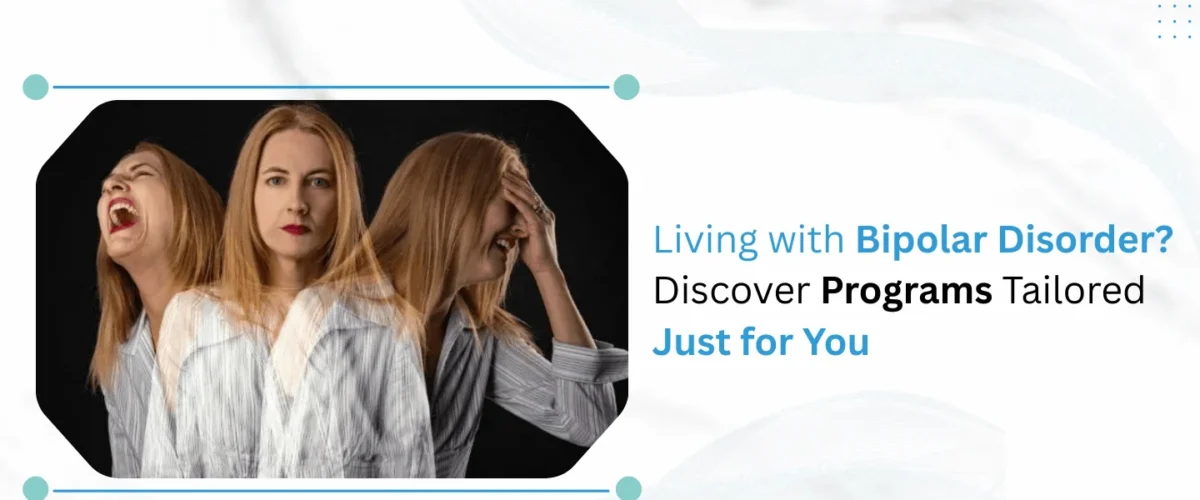
Living with Bipolar Disorder

Living with Bipolar Disorder? Discover Programs Tailored Just for You

Living with bipolar disorder can feel overwhelming. Some days bring high energy, racing thoughts, and little sleep. Other days feel heavy, slow, and dark. Mood shifts can disrupt work, relationships, and daily routines.
You are not alone, and effective treatment is available.
At Veve Health Services LLC, we provide structured, personalized bipolar disorder treatment programs for teens and adults ages 15 to 65. Your experience is unique. Your care should be too.

Understanding Bipolar Disorder

Bipolar disorder is a chronic, mental disorder, which leads to severe mood, energy, thinking and behavioral alterations. These changes are more regular emotional swings up and down and occur in episodes.
Many people ask, are bipolar disorder and manic depression the same? Bipolar disorder was once called manic depression.
People also talk about the 4 stages of bipolar disorder. These stages often include:

  1. Mania
  2. Hypomania
  3. Depression
  4. Mixed episodes

Each stage feels different. During mania, it might be that you are full of energy and lack sleep. During depression, one can be sad and fatigued. Mixed episodes may confer both emotions simultaneously.

How Long Does an Episode Last?

Bipolar episode length varies from person to person. Some episodes last several days. Others may continue for weeks or months without treatment.
Early intervention is key. Research shows that regular treatment helps a lot. Medication and therapy can lower how often episodes occur. They also make episodes less severe over time.

Specialized Bipolar Disorder Treatment Programs at Veve Health Services

Veve Health Services LLC creates structured care plans that focus on stability, safety and long-term wellness.

  1. Personalized Bipolar Disorder Care Plan

Every client begins with a comprehensive mental health evaluation. From there, we develop a customized care plan that may include:

  • Psychiatric assessment
  • Medication management
  • Individual therapy
  • Psychoeducation
  • Lifestyle stabilization strategies

No two treatment plans are the same. Your goals guide your care.

  • Medication Management with Close Monitoring

Mood stabilizers, antipsychotics, or antidepressants may be prescribed depending on your symptoms.

Medication management includes:

  • Ongoing monitoring
  • Dose adjustments when needed
  • Side-effect management
  • Education about how medications work

At Veve Health Services LLC, we reduce mood swings and minimize side effects. You get support every step of the way.

  • Evidence-Based Therapy for Bipolar Disorder

Therapy plays a central role in long-term stability.
Common types of therapy for bipolar disorder include:

Therapy helps you:

  • Notice early warning signs
  • Develop coping strategies
  • Manage stress
  • Improve communication
  • Address bipolar-related anger or irritability

These skills protect stability between episodes.

  • Outpatient Treatment for Bipolar Disorder

Not everyone requires hospitalization. Many individuals successfully manage bipolar disorder through outpatient care.
Outpatient treatment allows you to:

  • Live at home
  • Continue school or work
  • Maintain family routines

Veve Health Services provides face-to-face visits and telepsychiatry with the best security. Initial evaluations and follow-up visits can be completed virtually for convenience.
Care should be easy to access.

  • Psychoeducation: Understanding Your Brain and Your Moods

Knowledge builds control. Our psychoeducation sessions teach:

  • How bipolar disorder affects brain chemistry
  • Early warning signs of relapse
  • Stress management tools
  • Sleep hygiene techniques
  • Daily mood stabilization strategies

Knowing your patterns helps you respond early stage before the symptoms get out of control.

  • Holistic Support for Whole-Person Wellness

Some people are interested in holistic medicine for bipolar disorder. Holistic care looks at the whole person.
This may include:

  • Healthy sleep habits
  • Balanced nutrition
  • Regular exercise
  • Stress reduction
  • Mindfulness practices

Healthy daily habits strengthen emotional stability.

Can People with Bipolar Work?

People with bipolar disorder can work successfully with proper treatment and support.
They can:

  • Hold steady jobs
  • Build careers
  • Start businesses
  • Continue education

Work can give purpose and routine. A good care plan helps maintain stability so you can meet your goals.

How to Live a Happy Life with Bipolar Disorder

Happiness does not mean eliminating all symptoms. It means building balance.

Practical steps include:

  • Following your treatment plan
  • Maintaining a consistent sleep schedule
  • Tracking mood changes
  • Staying connected to supportive people
  • Communicating openly with your provider

Final Thought

Bipolar disorder lasts a lifetime, but it can be managed well with expert help.
At Veve Health Services LLC, we offer understanding, scientifically backed programs for bipolar disorder, meticulously structured for sustained positive results.
If you or someone you know is having mood swings, feeling down, or showing signs of mania, getting help early can stop these issues from getting worse.
To start your journey, schedule a consultation.

FAQs

Can bipolar go away?

Bipolar disorder is a lifelong condition. With the right care plan, people can manage it. This helps them live stable, joyful lives and reach their dreams.

What is bipolar disorder rage?

Bipolar rage means strong anger during an episode. Therapy and treatment can help control these feelings.

Anxiety Medication Causes Side Effects

What If My Anxiety Medication Causes Side Effects?

Anxiety can feel overwhelming. It may cause your heart to race or your hands to shake. It can also disrupt your sleep.
Many people take anxiety medication to feel calm and secure. These medicines can be highly beneficial, but they may also cause side effects.
If you’re wondering, “What if my anxiety medication causes side effects?”
Below, we explain what to do if anxiety medication causes side effects and how to manage them effectively.

Understanding Anxiety Medication and Side Effects

Anxiety medication works on the brain. It helps balance chemicals that affect mood and stress. These medicines can reduce worry, fear, panic and restlessness.
But everybody is different. A medicine that works well for one person may feel different for another. That is why some people may notice side effects.
A side effect is a change in your body that happens after you start a new medicine. Some side effects are mild. Some are short-term. Most get better with time.
Common side effects may include:

  • Feeling sleepy
  • Feeling dizzy
  • Upset stomach
  • Headache
  • Dry mouth
  • Changes in sleep
  • Changes in appetite

These effects can feel scary at first. But many of them improve as your body adjusts.

What If My Anxiety Medication Causes Side Effects?

If you notice side effects, do not panic. First, notice your feelings. Are they mild or intense? Are they improving or deteriorating? Track your symptoms and their timing. This information can assist your clinician in clarifying your issues.
Do not stop your medicine on your own. Stopping suddenly can cause new symptoms. It can also make anxiety come back stronger.
Instead, call your provider. Tell them what you feel. Be honest and clear.
Your provider may:

  • Lower the dose
  • Change the time you take the medicine
  • Switch to a different medication
  • Add support to ease the side effects

Safe medication management helps reduce risk. At Veve Health Services LLC, we prioritize safe medication management and personalized care.

How Long Do Anxiety Medication Side Effects Last?

Many side effects are strongest in the first one to two weeks. During this time, your body is learning how to adjust.
For many people, mild symptoms fade away. Sleep improves. Nausea settles. Energy returns.
If a side effect lasts longer than a few weeks or feels severe, contact us at Veve Health Services LLC. We do not ignore your concerns. Your comfort matters.

When Are Side Effects Serious?

Most side effects are mild. But some signs need quick help. At Veve Health Services LLC, we teach our patients what to watch for.
Call us right away if you notice:

  • Severe rash
  • Trouble breathing
  • Swelling of the face or throat
  • Strong mood changes
  • Thoughts of harm

How We Manage Anxiety Medication Side Effects

At Veve Health Services LLC, we focus on personalized medication management. We do not guess. We assess. We monitor. We adjust care based on your needs and the recommended best time to take anxiety meds.
We use a holistic approach. This means we look at your whole life, not just your symptoms.
Our care includes:

  • Careful diagnosis
  • Clear explanation of medication options
  • Ongoing follow-up visits
  • Therapy support
  • Psychoeducation
  • Cultural sensitivity

We treat clients from ages 15 to 65. We have strong experience in adolescent psychiatry and adult psychiatry. This helps us choose the right treatment plan for each stage of life.
Finding the right medication can make a world of difference. We adjust slowly and safely. Our goal is always effectiveness with minimal side effects.

What Can You Do to Reduce Side Effects?

There are small steps that can help your body adjust.
You can:

  • Take medication at the same time each day
  • Take it with food if your stomach feels upset
  • Drink enough water
  • Get enough sleep
  • Avoid alcohol unless your provider approves

Final Words

If your anxiety medicine causes side effects, do not panic. Keep notes and tell your care team. Do not stop medicine by yourself. Call your provider for help.
Veve Health Services LLC offers medication management, therapy and caring support for people ages 15 to 65. We help you find a plan with minimal side effects.
Reach out to your care team for help. We’ll listen and make a safe plan with you.

FAQs

Can I recover from anxiety even if the first medicine does not work?

Yes. Many people find relief after adjusting their medication plan. Recovery can be achieved with proper care.

Are anxiety medications addictive?

Some types can be addictive if misused. That is why careful monitoring is important. At Veve Health Services LLC, our provider will guide you safely.

Virtual Appointments Work for Psychiatric Medication Refills

How Do Virtual Appointments Work for Psychiatric Medication Refills?

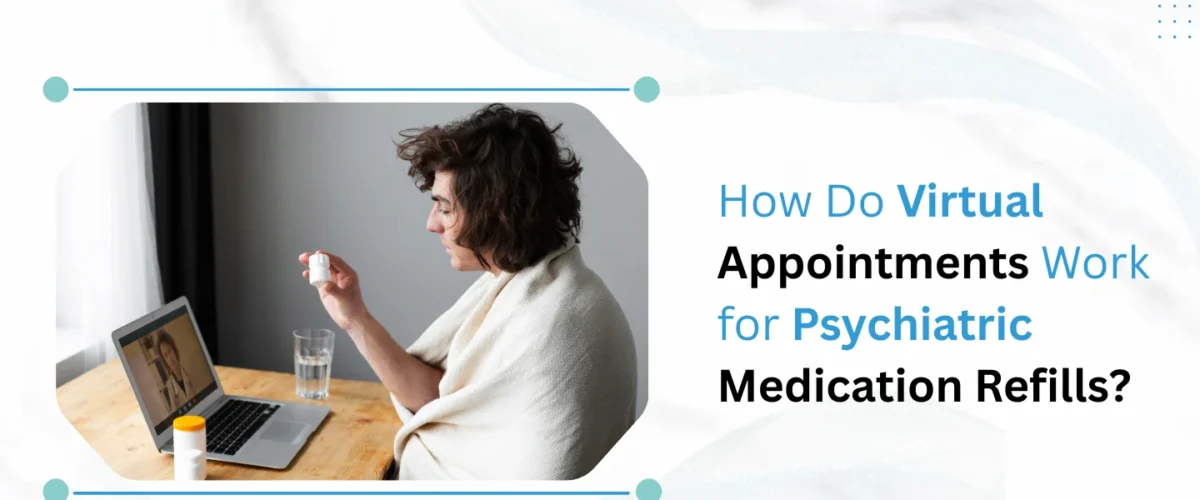
Virtual appointments are meetings with your doctor using a phone or video. They help you get medicine refills without going to the clinic. At Veve Health, we make these visits simple, kind and safe. We want you to feel heard and cared for.

What Is a Virtual Appointment?

If you are wondering, “What is a virtual appointment?” it is a talk with a doctor or nurse online. You can use a phone, tablet, or computer. You and the doctor see and hear each other. The doctor asks how you are feeling and checks if your medicine is working. If it is safe, the doctor can send a refill to your pharmacy.

How to Make an Appointment

  1. Call or book online.
  2. Pick a time that works for you.
  3. We send a link or a phone call.
  4. You join the visit at the time of the appointment.

We will help you every step. If you need a phone call instead of video, that is okay.

How to Get Ready for the Visit

  • Find a quiet place.
  • Bring a list of your medicines. Include the dose and how often you take them.
  • Write down any side effects or worries.
  • Have your ID and insurance info ready if asked.
  • Test your camera and microphone if using video.

Short notes can help you remember what to say. You can also have a family member or friend join if you want.

What Happens During the Visit?

The doctor will ask simple questions. They will ask:

  • How are you feeling?
  • Are you sleeping okay?
  • How is your mood?
  • Are you taking the medicine like you were told?
  • Do you have any side effects?

The doctor may check your blood pressure or weight if needed. Sometimes the doctor asks you to get tests done. This helps the doctor keep you safe.
If the doctor thinks the medicine is right for you, they will send a refill to your chosen pharmacy. If the doctor needs more information, they will set a follow-up visit.

How Medication Management Works

We take careful steps before refilling medicine. This process, known as medication management for mental health, ensures your treatment remains effective. The doctor looks at:

  • Your health history.
  • Any other medicines you take.
  • Past lab tests.
  • Your experience with the medicine.

We follow rules to keep you safe. For some medicines involving psychotropy (how drugs affect the mind and behavior), the law or medical rules need more checks. If so, the doctor will explain why and what to do next.

Privacy and Safety

Your visit is private and HIPAA-compliant. We use secure, encrypted video tools that protect your personal health information. The doctor will not share your details without your permission except when required by law. If you ever feel unsure, ask your provider to explain how we keep your digital records safe.

When You Might Need an In-Person Visit

Sometimes we need to see you in person. The doctor may ask for an in-person visit if:

  • You have new or strong side effects.
  • You have trouble thinking clearly.
  • You need a physical exam or lab tests that cannot wait.
  • The doctor cannot decide if a medicine change is safe by video.

If an in-person visit is needed, we will help you set it up.

How Veve Health Helps You

We offer more than refills. Our team works with you to understand the role of medication in mental health treatment as part of a larger plan. Services we provide include:

  • Evaluations and diagnosis to know what you need.
  • Medication management to keep your medicines safe.
  • Psychoeducation to teach you about your condition and treatment.
  • Telepsychiatry and in-person visits so care fits your life.
  • Support for autism spectrum disorder and specialized drugs to help with anger, depression, or anxiety.

We make a care plan with you. We listen to your goals. We treat conditions like depression, anxiety and stress. We know healing takes time. We use medicine, talk therapy and respect for your culture.

Tips after the Visit

  • Fill your medicine at the pharmacy soon.
  • Take medicine as the doctor told you.
  • Note any new side effects and tell us.
  • Keep your next appointment.
  • Ask questions, no question is too small.

If your medicine runs out before your next visit, call us. We will help.

Final Word

Virtual appointments make it easier to get help. They save travel time and are gentle for people who find clinic visits hard. We care about your safety and comfort. We listen, we explain and we make sure your medicine helps you feel better.
If you want to learn more or book a visit, contact Veve Health Services. We are here to help you every step of the way.

FAQs

Q. What if I have side effects from my medicine?

Tell the doctor right away. They will help and may ask to see you in person.

Q. Will my insurance cover virtual visits?

Many plans do. Check with Veve Health Services or your insurance to be sure.

Challenges of Individuals with Autism

What Are the Strengths and Challenges of Individuals with Autism?

Autism is part of how a person thinks, learns and feels. It is not one thing. It is a group of traits that make each person different. Some parts are strong. Some parts are hard. We want to help you see both. We also want you to know how Veve Health Services can help.

Strengths Often Seen in People with Autism

People with autism have many gifts. These gifts can shine at home, at school and at work.

  • Focus and Deep Interest
    Some people can focus for a long time on things they love. They learn a lot about that topic. This can help with jobs and hobbies.
  • Good Memory
    Many remember facts, dates, or how to do things. This makes them very helpful for detail work.
  • Honest and Direct
    People with autism often speak plainly. They tell the truth. This builds trust.
  • Strong Pattern Skills
    They can see patterns in numbers, music, art, or code. This can help with science, math and design.
  • Visual Thinking
    Some think best with pictures, maps, or diagrams. This helps with drawing, building and solving puzzles.
  • Creativity and New Ideas
    People with autism can see the world in new ways. They bring fresh ideas to teams.
  • Loyalty and Routine
    When they care, they are steady and loyal. They follow routines and get tasks done on time.

Common Challenges People with Autism May Face

Not every person with autism has the same challenges. But some things come up often.

  • Social Communication
    Talking and reading social cues can be hard. A person may not know what a smile or a word really means.
  • Sensory Sensitivities
    Lights, sounds, smells, or touch can feel too strong. This can make places like stores or loud rooms scary.
  • Change and Routine
    Sudden change can be stressful. New plans or new people can cause worry.
  • Anxiety and Stress
    Many feel nervous in new places or at school. Worry can make daily life hard.
  • Executive Functioning
    Tasks like planning, starting work, or finishing chores can be tough. Time and organization may be hard.
  • Co-Occurring Health Needs
    Some also have ADHD, sleep trouble, mood issues, or learning differences. These need care too.

How We See Strengths and Challenges Together

Strengths and challenges are linked. For example, focus can be great for a job. But it can also make it hard to switch to a new task. Knowing both sides helps us care for the whole person. We want to build on strengths. We want to reduce what makes life hard.

How Veve Health Services Helps

We at Veve Health Services use a care plan that fits the person. We mix tools to help you or your loved one grow.

  • Evaluations & Diagnosis
    We do careful checks to find what a person needs. This is the first step to getting the right help.
  • Medication Management
    When needed, medicine can ease worry, sleep, or mood. We watch closely to make sure it helps.
  • Psychoeducation
    We teach families, schools and caregivers. Learning simple steps can make big changes at home.
  • Telepsychiatry & In-Person Visits
    You can see us online or in the clinic. We make it easy to meet with our team.
  • Autism Spectrum Disorder Services
    We know autism is different for each person. Our care is made just for you.
  • Specialized Programs
    We offer programs for skills like social thinking, daily living and school support.

Our care is holistic. That means we look at the whole person. We use therapy and medicine when it helps. We honor culture and family needs. We create a plan just for each person. We help all ages and work on many concerns like anxiety, ADHD, mood, sleep and trauma.

Simple Ways Families and Teachers Can Help

Small steps at home and school can make a big difference.

  • Keep a calm routine.
    Use simple schedules and pictures.
  • Use clear words.
    Say exactly what you mean.
  • Make sensory tools ready.
    Sunglasses, headphones, or a quiet spot can help.
  • Teach one skill at a time.
    Break tasks into small steps.
  • Focus on what the person can do.
    Praise effort and success.
  • Ask for help from professionals.
    Early support helps long-term.

Tips for Employers and Friends

People with autism bring value to any team. Here are simple ways to help them succeed.

  • Give clear instructions in writing.
    Short steps work best.
  • Offer a quiet workspace.
    Reduce bright lights and loud noise when possible.
  • Allow flexible routines when you can.
    Let people work on tasks they do well.
  • Use coaching and feedback.
    Specific feedback helps skill growth.

A Caring and Real Message

Autism is not a flaw to fix. It is part of a person. We want to help people live full lives. We want to build on what they do well. We also want to make hard things easier.
If you are worried or curious, we can help. Veve Health Services is here for you. We bring skilled care, cultural respect and hope. We will listen. We will make a plan that fits your life.
You are not alone. We are here for you. Contact Veve Health Services and let us walk with you toward better days.

FAQs

Q. How do I get help from Veve Health Services?

Contact Veve Health Services. We listen, do an evaluation and make a plan that fits you.

Q. Can adults have autism too?

Yes. People of all ages can be autistic and get help.

How Do Personalized Mental Health Programs Address PTSD 1

How Do Personalized Mental Health Programs Address PTSD?

Post-traumatic stress disorder (PTSD) can make life hard. You may feel jumpy, trapped by old memories, or avoid places that remind you of what happened. PTSD is a real health condition that comes after scary or painful events. People can improve when they receive the right care.

How We Start: Evaluation and Diagnosis

The first step is to learn your story. We ask you simple questions. We listen to your feelings, fears and sleep or memory problems. This helps us know what kind of help you need. At Veve Health, we give careful evaluations and clear diagnoses so we can plan the right care for you.

Care That Fits Your Life

A personalized program means the plan fits you. We set clear goals with you. We think about your life, your family and your culture. We watch how you respond and change the plan if you need. This makes care safer and kinder. Clinical guides say care that fits the person works best.

Therapy That Helps

Many people with PTSD get better with trauma-focused therapy. These therapies help you talk about the event in a safe way. They teach your brain new ways to think about the memory. They also teach simple skills to help you calm down.

At Veve Health we use therapy plus education. We teach you why your body and mind react the way they do. We show simple steps you can use at home. We make sure therapy fits your age and needs.

Medicine and Medication Management

Some people do well with medicine. Others find therapy helps too. Together, they can be effective. Medicine can lower strong feelings. It can help with fear and sadness. Doctors will watch for your feelings and side effects. They might change doses or try new medicines, including ones for PTSD.

Telepsychiatry and In-Person Visits

You might like video visits or meeting in person. Both can work. Telepsychiatry makes it easier for people who live far away or have trouble leaving home. Remote care can reduce PTSD symptoms and is often as helpful as office visits.

Veve Health offers both telepsychiatry and in-person care. You choose what feels best. We keep your visits private and respectful.

Psychoeducation and Skills You Can Use

We teach you about stress, sleep and safety. We show easy breathing and grounding exercises. We practice steps to calm panic and sleepless nights. Learning small skills can make big changes over time. This is part of our care plan for you.

Cultural Sensitivity and Specialized Support

Your culture and background matter. Care that respects your beliefs and life makes it easier to trust and heal. Personalized programs include cultural sensitivity. They may also tailor notes, language and examples to match your life.

Veve Health blends therapy with cultural respect. We listen to what matters to you and your family.

Care For All Ages and Needs

PTSD can affect children, teens, adults and older people. Some people also have autism or other needs. Veve Health has specialized programs for different ages and conditions. We work with families and schools when that helps the person heal.

How Personalized Programs Track Progress

A good program checks progress often. We ask how symptoms change. We use short tests and talk with you about your goals. If a treatment is not helping, we change it. This way, your care stays useful and focused.

How You Can Start

If you or someone you love has signs of PTSD, reaching out is the first step. You don’t have to tell everything at once. A short visit can help us make a plan. You can ask about evaluations, therapy, medicines and video visits.

At Veve Health, we offer:

We work with you to find what helps most.

A Gentle Reminder

Healing takes time. Small steps add up. You are not alone. We are here to walk with you and to change the plan if you need it. If you feel unsafe or think you might hurt yourself, please get help right away from local emergency services.

Closing

Personalized mental health programs treat the whole person. They match care to your life, your needs and your goals. Good care mixes clear diagnosis, proven therapy, and medicine when needed. It also includes teaching and respect for your background. This is how many people find relief from PTSD. If you seek help, we are here to listen and work with you on a plan.

FAQs

Q. Can I get help by video?

Yes. You can meet us by video or come in person. You pick what feels best.

Q. What if I am also on the autism spectrum?

We have special programs and know how to work with many needs. We make care that fits you.

Understanding Why You Feel Depressed and What Helps

Understanding Why You Feel Depressed and What Helps

Depression isn’t just about feeling sad. It’s a mental health condition that affects

  • How you think
  • How you feel
  • How you function in day to day life

When you’re experiencing depressive symptoms, everything from getting out of bed to making simple decisions can feel overwhelming.

What It Looks Like

Everyone’s experience is a little different when it comes to major depressive disorder, and you might have some of the following experiences:

  • Feeling empty, and having this feeling persist for the majority of your day
  • Not wanting to do things you previously got enjoyment from
  • Noticing you are eating more, eating less, or are having more or less sleep than before
  • Experiencing difficulty when it comes to concentrating or making choices
  • Experiencing tiredness and other symptoms like head pain and body pain

None of these experiences means you are weak.

This is a medical condition called depression that you are experiencing, and it is a scientific fact that depression can affect the chemistry of your brain, the wiring of your brain, and even some of the hormones in your body.

Why it Happens

Your brain relies on neurotransmitters. Some of these include serotonin, dopamine, and norepinephrine.
Sometimes these systems can be disrupted, and when this happens, it can trigger symptoms of depression.
There are multiple triggers and parts contributing to the phenomenon. These include:

  • Familial connections: A history of similar cases increases susceptibility to more cases.
  • Chronic stress: Prolonged elevation of the stress hormone, cortisol, changes the structure of the brain.
  • Traumatic events: Systemic responses to stress and related variables are subsequently altered in the aftermath of certain extreme events.
  • Medical conditions: Deficiency of vitamins, chronic diseases, and diseases of the endocrine system.
  • Environmental factors: Stressful life events, loneliness, and major alterations in economic status.

Cognitive Patterns That Maintain Depression

Depression affects the mood of the individual by altering the way the individual thinks.
Depression alters thinking by the introduction of cognitive distortion, which is the automatic thought process that strengthens negativity:

  • All-or-nothing thinking: Thinking in black and white.
  • Worst-case assumption: Worst-case is the only assumption made.
  • Negative filtering: This psychological and emotional condition merely focuses on the loss only.
  • Overgeneralization: Making general/broad assumptions on one occasion.

The predominant elements of a feedback cycle are these patterns and loops.
Negative thoughts create negative emotions which in turn create more negative thoughts. This network is a heavy burden and requires professional control to break it.

Professional Mental Health Support

Recovery from depression requires structured interventions that address both biological and psychological factors.

Medication Management

Antidepressants alter the brain’s levels of neurotransmitters.
Older types of the said medications have more side effects, which is why SSRIs and SNRIs have been the go-to options.
As with many medications, this will take a bit of time and work with your mental health provider to find the right fit for you.

Changes in Lifestyle

Even minor behaviors can help you to manage your mood:

  • Exercise elevates endorphins and it also enhances neuroplasticity.
  • Regular sleeping routines stabilize circadian activities.
  • Healthy foods aid in the production of neurotransmitters.
  • The loneliness can be contained with the help of social connection with friends or a volunteering service can provide emotional support.

Recovery

When it comes to strategies that you can implement, there is no reason to feel that you have to go ‘all in’ on a huge development of different strategies at the same time.
Just simple, small things, like hydration, exercise, and sleep, are a great starting point and will help a lot.
Keeping track of your mood and feelings will help you to see what habits are causing positive or negative changes in your feelings.
It is highly important to report to your care providers what is or is not helpful.
It is very helpful to have professionals who can assist you because they can provide you with a variety of techniques depending on your individual needs.

Next Steps

Our mental health professionals at Veve Health Services understand the multifaceted nature of depressive disorders and could come up with a personalized care plan, which would consider your unique needs.
You can rely on us to be there with you on your journey to wellness, whether this is your first depressive episode or to help you with the chronic symptoms.
Get an appointment.

Depression FAQ

What is the duration of the depressive episodes?

The current major depressive episodes can take up to 14 days. Without treatment, the period can take months to years.
Some patients experience symptom improvement within a very short period of time following treatment, or within six to twelve weeks.

Do you reckon that depression may fade away without the services of a mental health professional?

In mild cases of depressive episodes, the patient can get better on their own.
Regardless, with the help of a mental health expert, the patient would go through a depressive episode within the shortest duration possible.
Failure by the patient to seek help may cause and further increase in depression severity.

Do depression and sadness mean the same thing?

Sadness is used to shield our hurt. Depression is a more chronic disorder that is disabling.

Is medication necessary for depression?

Not always. Psychological interventions on their own could be useful for mild to moderate depression.
Moderate to severe depression on the other hand normally needs medicine and encouragement in order to yield the most positive results.
Your treatment team will be able to recommend the most appropriate course of action.

Recent Studies on the Impact of Social Media on Mental Health

Recent Studies on the Impact of Social Media on Mental Health

Social media has transformed how we connect, but its impact on mental health is a growing concern. Recent studies highlight both benefits and risks associated with social media use, particularly among young adults.

The Positive Side of Social Media

  • Increases access to mental health resources
  • Provides social support and community
  • Encourages self-expression and creativity

The Risks of Social Media Overuse

  • Comparison and self-esteem issues – Unrealistic portrayals of life can lead to feelings of inadequacy.
  • Sleep disruption – Excessive screen time interferes with rest and mental clarity.
  • Cyberbullying and harassment – Negative interactions can significantly impact mental well-being.

Managing Social Media for Better Mental Health

  1. Set Time Limits – Reduce screen time, especially before bedtime.
  2. Follow Positive Content – Curate your feed to include uplifting and educational posts.
  3. Take Digital Detoxes – Periodic breaks help reset mental well-being.

Conclusion

While social media has its advantages, mindful usage is key to protecting mental health. By setting boundaries and prioritizing real-world connections, individuals can reap its benefits without compromising their well-being.