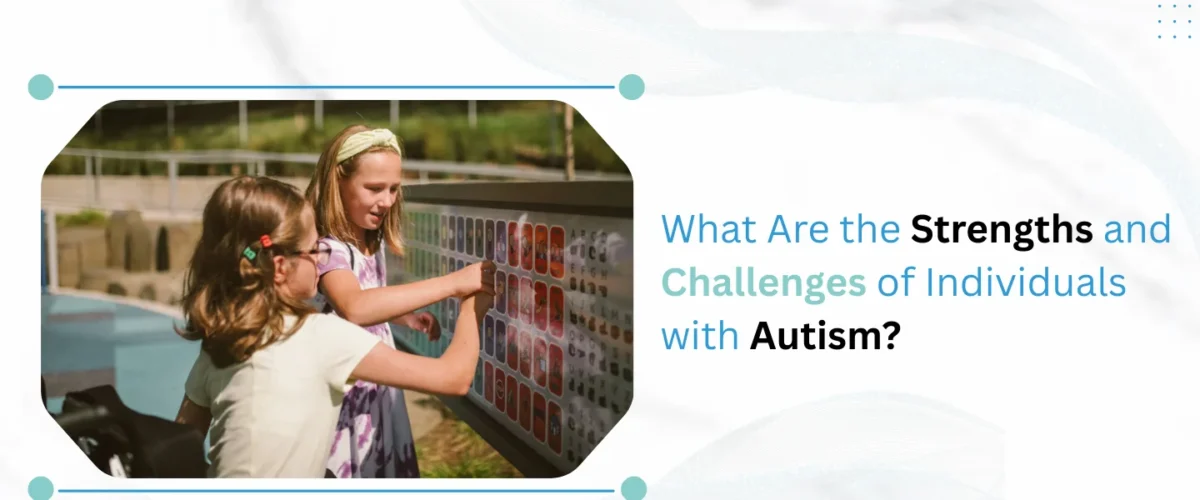
Challenges of Individuals with Autism

What Are the Strengths and Challenges of Individuals with Autism?

Autism is part of how a person thinks, learns and feels. It is not one thing. It is a group of traits that make each person different. Some parts are strong. Some parts are hard. We want to help you see both. We also want you to know how Veve Health Services can help.

Strengths Often Seen in People with Autism

People with autism have many gifts. These gifts can shine at home, at school and at work.

  • Focus and Deep Interest
    Some people can focus for a long time on things they love. They learn a lot about that topic. This can help with jobs and hobbies.
  • Good Memory
    Many remember facts, dates, or how to do things. This makes them very helpful for detail work.
  • Honest and Direct
    People with autism often speak plainly. They tell the truth. This builds trust.
  • Strong Pattern Skills
    They can see patterns in numbers, music, art, or code. This can help with science, math and design.
  • Visual Thinking
    Some think best with pictures, maps, or diagrams. This helps with drawing, building and solving puzzles.
  • Creativity and New Ideas
    People with autism can see the world in new ways. They bring fresh ideas to teams.
  • Loyalty and Routine
    When they care, they are steady and loyal. They follow routines and get tasks done on time.

Common Challenges People with Autism May Face

Not every person with autism has the same challenges. But some things come up often.

  • Social Communication
    Talking and reading social cues can be hard. A person may not know what a smile or a word really means.
  • Sensory Sensitivities
    Lights, sounds, smells, or touch can feel too strong. This can make places like stores or loud rooms scary.
  • Change and Routine
    Sudden change can be stressful. New plans or new people can cause worry.
  • Anxiety and Stress
    Many feel nervous in new places or at school. Worry can make daily life hard.
  • Executive Functioning
    Tasks like planning, starting work, or finishing chores can be tough. Time and organization may be hard.
  • Co-Occurring Health Needs
    Some also have ADHD, sleep trouble, mood issues, or learning differences. These need care too.

How We See Strengths and Challenges Together

Strengths and challenges are linked. For example, focus can be great for a job. But it can also make it hard to switch to a new task. Knowing both sides helps us care for the whole person. We want to build on strengths. We want to reduce what makes life hard.

How Veve Health Services Helps

We at Veve Health Services use a care plan that fits the person. We mix tools to help you or your loved one grow.

  • Evaluations & Diagnosis
    We do careful checks to find what a person needs. This is the first step to getting the right help.
  • Medication Management
    When needed, medicine can ease worry, sleep, or mood. We watch closely to make sure it helps.
  • Psychoeducation
    We teach families, schools and caregivers. Learning simple steps can make big changes at home.
  • Telepsychiatry & In-Person Visits
    You can see us online or in the clinic. We make it easy to meet with our team.
  • Autism Spectrum Disorder Services
    We know autism is different for each person. Our care is made just for you.
  • Specialized Programs
    We offer programs for skills like social thinking, daily living and school support.

Our care is holistic. That means we look at the whole person. We use therapy and medicine when it helps. We honor culture and family needs. We create a plan just for each person. We help all ages and work on many concerns like anxiety, ADHD, mood, sleep and trauma.

Simple Ways Families and Teachers Can Help

Small steps at home and school can make a big difference.

  • Keep a calm routine.
    Use simple schedules and pictures.
  • Use clear words.
    Say exactly what you mean.
  • Make sensory tools ready.
    Sunglasses, headphones, or a quiet spot can help.
  • Teach one skill at a time.
    Break tasks into small steps.
  • Focus on what the person can do.
    Praise effort and success.
  • Ask for help from professionals.
    Early support helps long-term.

Tips for Employers and Friends

People with autism bring value to any team. Here are simple ways to help them succeed.

  • Give clear instructions in writing.
    Short steps work best.
  • Offer a quiet workspace.
    Reduce bright lights and loud noise when possible.
  • Allow flexible routines when you can.
    Let people work on tasks they do well.
  • Use coaching and feedback.
    Specific feedback helps skill growth.

A Caring and Real Message

Autism is not a flaw to fix. It is part of a person. We want to help people live full lives. We want to build on what they do well. We also want to make hard things easier.
If you are worried or curious, we can help. Veve Health Services is here for you. We bring skilled care, cultural respect and hope. We will listen. We will make a plan that fits your life.
You are not alone. We are here for you. Contact Veve Health Services and let us walk with you toward better days.

FAQs

Q. How do I get help from Veve Health Services?

Contact Veve Health Services. We listen, do an evaluation and make a plan that fits you.

Q. Can adults have autism too?

Yes. People of all ages can be autistic and get help.
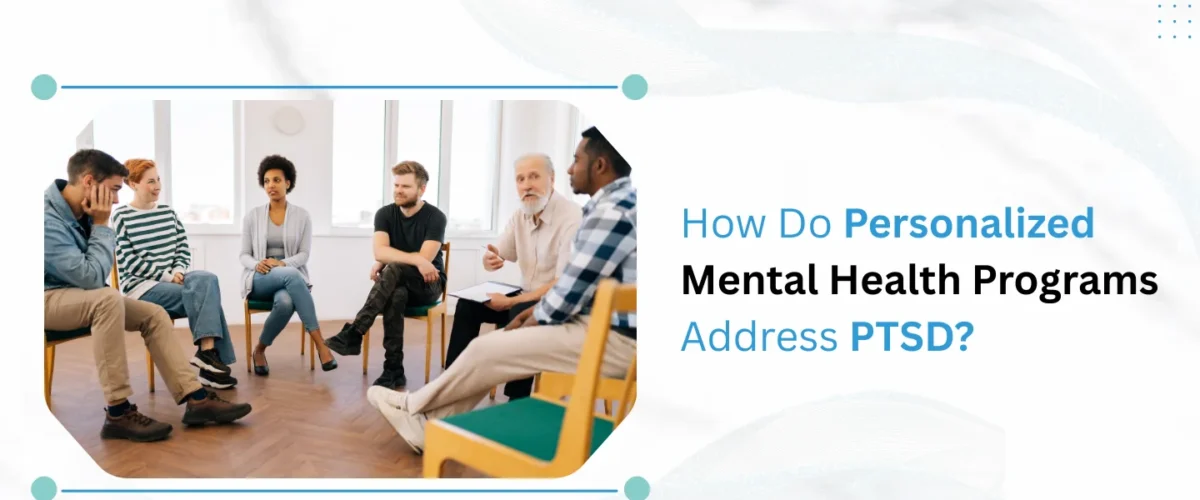
How Do Personalized Mental Health Programs Address PTSD 1

How Do Personalized Mental Health Programs Address PTSD?

Post-traumatic stress disorder (PTSD) can make life hard. You may feel jumpy, trapped by old memories, or avoid places that remind you of what happened. PTSD is a real health condition that comes after scary or painful events. People can improve when they receive the right care.

How We Start: Evaluation and Diagnosis

The first step is to learn your story. We ask you simple questions. We listen to your feelings, fears and sleep or memory problems. This helps us know what kind of help you need. At Veve Health, we give careful evaluations and clear diagnoses so we can plan the right care for you.

Care That Fits Your Life

A personalized program means the plan fits you. We set clear goals with you. We think about your life, your family and your culture. We watch how you respond and change the plan if you need. This makes care safer and kinder. Clinical guides say care that fits the person works best.

Therapy That Helps

Many people with PTSD get better with trauma-focused therapy. These therapies help you talk about the event in a safe way. They teach your brain new ways to think about the memory. They also teach simple skills to help you calm down.

At Veve Health we use therapy plus education. We teach you why your body and mind react the way they do. We show simple steps you can use at home. We make sure therapy fits your age and needs.

Medicine and Medication Management

Some people do well with medicine. Others find therapy helps too. Together, they can be effective. Medicine can lower strong feelings. It can help with fear and sadness. Doctors will watch for your feelings and side effects. They might change doses or try new medicines, including ones for PTSD.

Telepsychiatry and In-Person Visits

You might like video visits or meeting in person. Both can work. Telepsychiatry makes it easier for people who live far away or have trouble leaving home. Remote care can reduce PTSD symptoms and is often as helpful as office visits.

Veve Health offers both telepsychiatry and in-person care. You choose what feels best. We keep your visits private and respectful.

Psychoeducation and Skills You Can Use

We teach you about stress, sleep and safety. We show easy breathing and grounding exercises. We practice steps to calm panic and sleepless nights. Learning small skills can make big changes over time. This is part of our care plan for you.

Cultural Sensitivity and Specialized Support

Your culture and background matter. Care that respects your beliefs and life makes it easier to trust and heal. Personalized programs include cultural sensitivity. They may also tailor notes, language and examples to match your life.

Veve Health blends therapy with cultural respect. We listen to what matters to you and your family.

Care For All Ages and Needs

PTSD can affect children, teens, adults and older people. Some people also have autism or other needs. Veve Health has specialized programs for different ages and conditions. We work with families and schools when that helps the person heal.

How Personalized Programs Track Progress

A good program checks progress often. We ask how symptoms change. We use short tests and talk with you about your goals. If a treatment is not helping, we change it. This way, your care stays useful and focused.

How You Can Start

If you or someone you love has signs of PTSD, reaching out is the first step. You don’t have to tell everything at once. A short visit can help us make a plan. You can ask about evaluations, therapy, medicines and video visits.

At Veve Health, we offer:

We work with you to find what helps most.

A Gentle Reminder

Healing takes time. Small steps add up. You are not alone. We are here to walk with you and to change the plan if you need it. If you feel unsafe or think you might hurt yourself, please get help right away from local emergency services.

Closing

Personalized mental health programs treat the whole person. They match care to your life, your needs and your goals. Good care mixes clear diagnosis, proven therapy, and medicine when needed. It also includes teaching and respect for your background. This is how many people find relief from PTSD. If you seek help, we are here to listen and work with you on a plan.

FAQs

Q. Can I get help by video?

Yes. You can meet us by video or come in person. You pick what feels best.

Q. What if I am also on the autism spectrum?

We have special programs and know how to work with many needs. We make care that fits you.

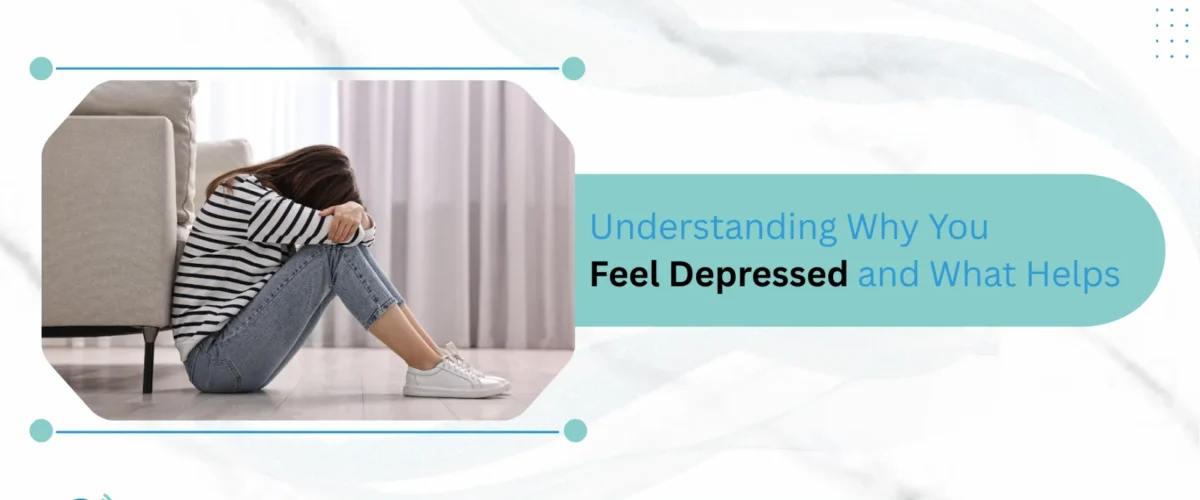
Understanding Why You Feel Depressed and What Helps

Understanding Why You Feel Depressed and What Helps

Depression isn’t just about feeling sad. It’s a mental health condition that affects

  • How you think
  • How you feel
  • How you function in day to day life

When you’re experiencing depressive symptoms, everything from getting out of bed to making simple decisions can feel overwhelming.

What It Looks Like

Everyone’s experience is a little different when it comes to major depressive disorder, and you might have some of the following experiences:

  • Feeling empty, and having this feeling persist for the majority of your day
  • Not wanting to do things you previously got enjoyment from
  • Noticing you are eating more, eating less, or are having more or less sleep than before
  • Experiencing difficulty when it comes to concentrating or making choices
  • Experiencing tiredness and other symptoms like head pain and body pain

None of these experiences means you are weak.

This is a medical condition called depression that you are experiencing, and it is a scientific fact that depression can affect the chemistry of your brain, the wiring of your brain, and even some of the hormones in your body.

Why it Happens

Your brain relies on neurotransmitters. Some of these include serotonin, dopamine, and norepinephrine.
Sometimes these systems can be disrupted, and when this happens, it can trigger symptoms of depression.
There are multiple triggers and parts contributing to the phenomenon. These include:

  • Familial connections: A history of similar cases increases susceptibility to more cases.
  • Chronic stress: Prolonged elevation of the stress hormone, cortisol, changes the structure of the brain.
  • Traumatic events: Systemic responses to stress and related variables are subsequently altered in the aftermath of certain extreme events.
  • Medical conditions: Deficiency of vitamins, chronic diseases, and diseases of the endocrine system.
  • Environmental factors: Stressful life events, loneliness, and major alterations in economic status.

Cognitive Patterns That Maintain Depression

Depression affects the mood of the individual by altering the way the individual thinks.
Depression alters thinking by the introduction of cognitive distortion, which is the automatic thought process that strengthens negativity:

  • All-or-nothing thinking: Thinking in black and white.
  • Worst-case assumption: Worst-case is the only assumption made.
  • Negative filtering: This psychological and emotional condition merely focuses on the loss only.
  • Overgeneralization: Making general/broad assumptions on one occasion.

The predominant elements of a feedback cycle are these patterns and loops.
Negative thoughts create negative emotions which in turn create more negative thoughts. This network is a heavy burden and requires professional control to break it.

Professional Mental Health Support

Recovery from depression requires structured interventions that address both biological and psychological factors.

Medication Management

Antidepressants alter the brain’s levels of neurotransmitters.
Older types of the said medications have more side effects, which is why SSRIs and SNRIs have been the go-to options.
As with many medications, this will take a bit of time and work with your mental health provider to find the right fit for you.

Changes in Lifestyle

Even minor behaviors can help you to manage your mood:

  • Exercise elevates endorphins and it also enhances neuroplasticity.
  • Regular sleeping routines stabilize circadian activities.
  • Healthy foods aid in the production of neurotransmitters.
  • The loneliness can be contained with the help of social connection with friends or a volunteering service can provide emotional support.

Recovery

When it comes to strategies that you can implement, there is no reason to feel that you have to go ‘all in’ on a huge development of different strategies at the same time.
Just simple, small things, like hydration, exercise, and sleep, are a great starting point and will help a lot.
Keeping track of your mood and feelings will help you to see what habits are causing positive or negative changes in your feelings.
It is highly important to report to your care providers what is or is not helpful.
It is very helpful to have professionals who can assist you because they can provide you with a variety of techniques depending on your individual needs.

Next Steps

Our mental health professionals at Veve Health Services understand the multifaceted nature of depressive disorders and could come up with a personalized care plan, which would consider your unique needs.
You can rely on us to be there with you on your journey to wellness, whether this is your first depressive episode or to help you with the chronic symptoms.
Get an appointment.

Depression FAQ

What is the duration of the depressive episodes?

The current major depressive episodes can take up to 14 days. Without treatment, the period can take months to years.
Some patients experience symptom improvement within a very short period of time following treatment, or within six to twelve weeks.

Do you reckon that depression may fade away without the services of a mental health professional?

In mild cases of depressive episodes, the patient can get better on their own.
Regardless, with the help of a mental health expert, the patient would go through a depressive episode within the shortest duration possible.
Failure by the patient to seek help may cause and further increase in depression severity.

Do depression and sadness mean the same thing?

Sadness is used to shield our hurt. Depression is a more chronic disorder that is disabling.

Is medication necessary for depression?

Not always. Psychological interventions on their own could be useful for mild to moderate depression.
Moderate to severe depression on the other hand normally needs medicine and encouragement in order to yield the most positive results.
Your treatment team will be able to recommend the most appropriate course of action.

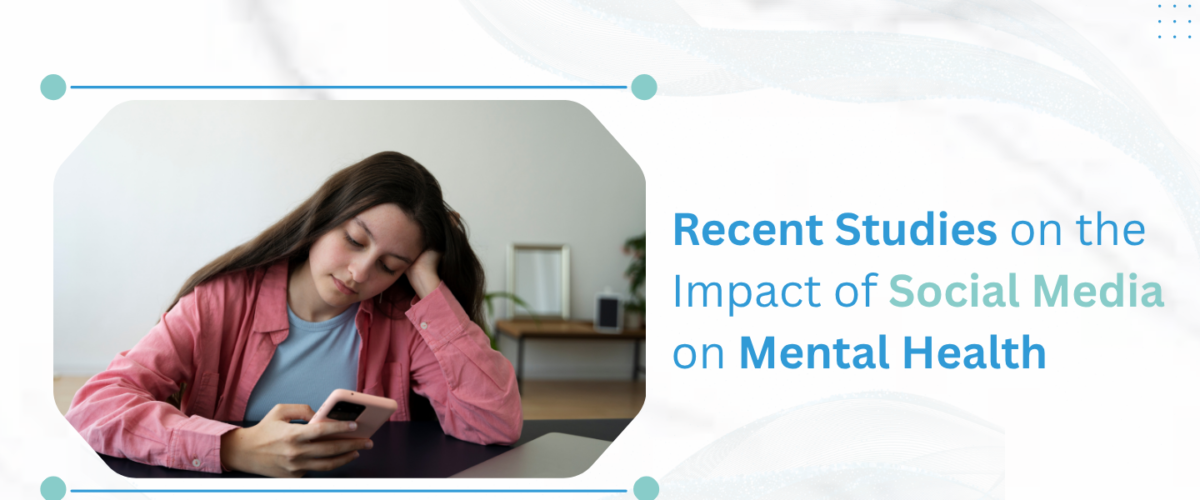
Recent Studies on the Impact of Social Media on Mental Health

Recent Studies on the Impact of Social Media on Mental Health

Social media has transformed how we connect, but its impact on mental health is a growing concern. Recent studies highlight both benefits and risks associated with social media use, particularly among young adults.

The Positive Side of Social Media

  • Increases access to mental health resources
  • Provides social support and community
  • Encourages self-expression and creativity

The Risks of Social Media Overuse

  • Comparison and self-esteem issues – Unrealistic portrayals of life can lead to feelings of inadequacy.
  • Sleep disruption – Excessive screen time interferes with rest and mental clarity.
  • Cyberbullying and harassment – Negative interactions can significantly impact mental well-being.

Managing Social Media for Better Mental Health

  1. Set Time Limits – Reduce screen time, especially before bedtime.
  2. Follow Positive Content – Curate your feed to include uplifting and educational posts.
  3. Take Digital Detoxes – Periodic breaks help reset mental well-being.

Conclusion

While social media has its advantages, mindful usage is key to protecting mental health. By setting boundaries and prioritizing real-world connections, individuals can reap its benefits without compromising their well-being.

Grace Hill

Understanding Insurance Coverage for Mental Health Services

Mental health care is essential, yet many individuals face barriers in accessing the treatment they need. One of the most significant challenges is understanding insurance coverage for mental health services. If you’re in Virginia or Maryland, knowing how to navigate your insurance options can help you get the care you deserve.

Mental Health Parity and Your Rights

The Mental Health Parity and Addiction Equity Act (MHPAEA) ensures that insurance providers must offer mental health benefits comparable to physical health benefits. This means that copayments, visit limits, and preauthorization requirements for mental health services should be similar to those for medical care.

Common Insurance Providers in Virginia and Maryland

Many insurers in these states, including CareFirst BlueCross BlueShield, Aetna, Cigna, Optum, and Medicaid, offer coverage for therapy, medication management, and psychiatric evaluations. However, specific benefits vary, so reviewing your plan’s summary of benefits is crucial.

Types of Mental Health Services Covered

Most insurance plans cover various mental health services, such as:

  • Psychiatric evaluations – Essential for diagnosing conditions like anxiety, depression, and bipolar disorder.
  • Therapy and counseling – Includes individual, group, and family therapy.
  • Medication management – Helps monitor and adjust psychiatric medications for effectiveness and side effects.
  • Telepsychiatry – Offers remote access to licensed professionals, increasing accessibility.

Steps to Verify Coverage

  1. Check your insurance policy – Look for mental health benefits in your policy documents.
  2. Contact your provider – Ask about in-network mental health professionals, copays, deductibles, and prior authorization requirements.
  3. Find an in-network provider – Using your insurer’s directory can help reduce out-of-pocket costs.
  4. Understand your out-of-pocket costs – Know your deductible, copay, or coinsurance to plan accordingly.

Accessing Mental Health Care Without Insurance

If you’re uninsured, you still have options. Many community health centers, non-profits, and online platforms offer affordable mental health services. Medicaid expansion in Virginia and Maryland has also made coverage more accessible for lower-income individuals.

Taking the time to understand your insurance benefits can remove financial barriers and ensure you get the care you need. If you have questions, don’t hesitate to reach out to your insurer or a mental health professional for guidance.