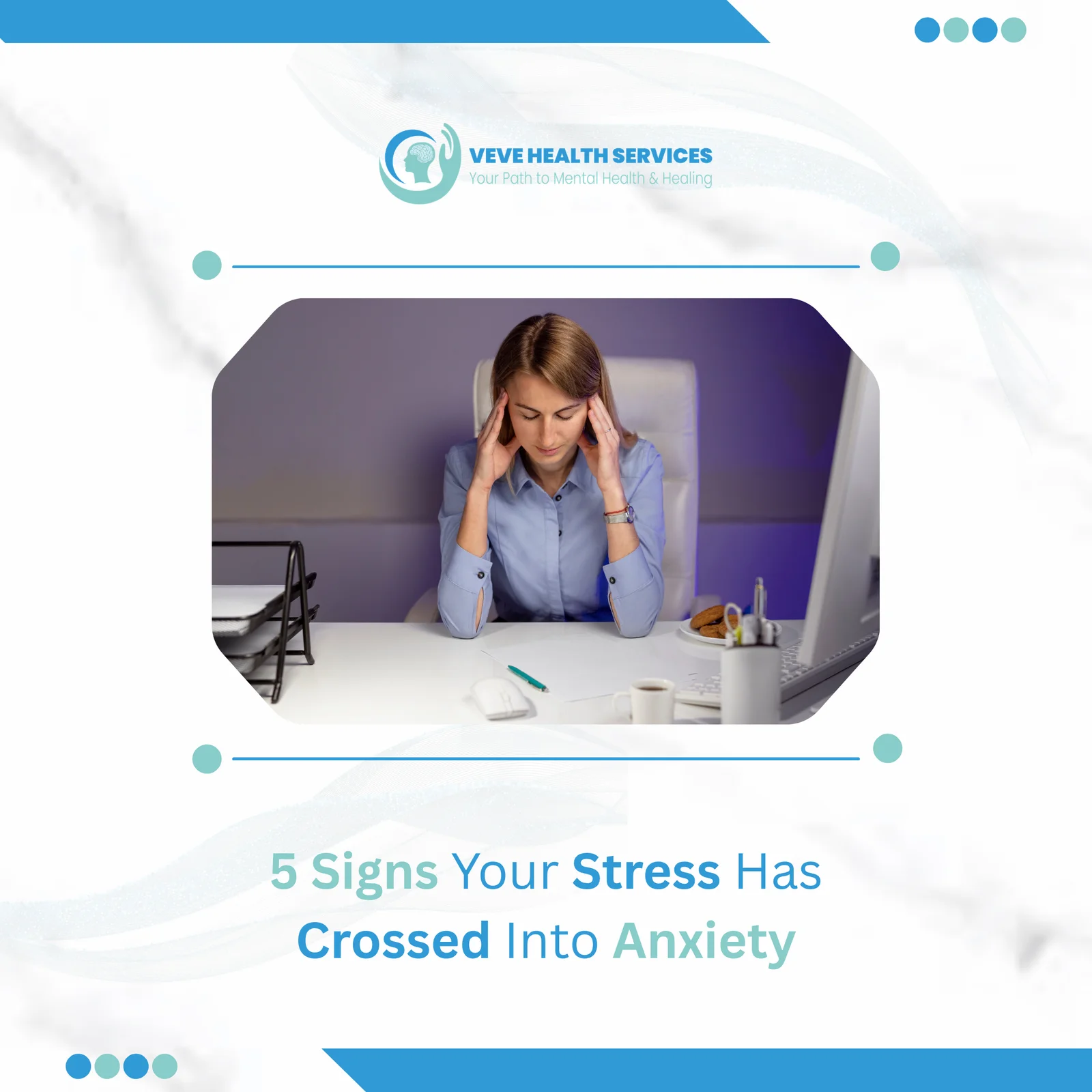
We all know stress. Rent increases, work fills up, something breaks at the worst possible time. It goes on for a while, and then, eventually, it starts to lift. That’s the thing about stress. This is often linked to something real, and when that thing is sorted, you get the wiggle room.
Anxiety doesn’t work that way. The moment there is nothing to worry about, it hangs around. It finds new material. It displays in your body, interferes with your sleep, and then gradually begins to alter the level of courage that you are willing to expend on things that used to feel common. For years, loads of people carry it around without actually declaring it for what it is.
Here are 5 signs to look out for if you feel like what you’re dealing with is bigger than a bad patch, because it could be.
1. You Can’t Come Down Even When Things Are Fine
Resolution usually means some version of relief when it comes to stress. The thing will be dealt with, and eventually it will arrive somewhere within you. Relief is much more difficult to find in the case of anxiety. You get through the stressful thing, and your brain quite literally just shifts to the next possible cause for concern. A quiet evening seems more disturbing than reassuring. It makes you less peaceful, not more.
Many dismiss this as simply being how you are wired. But really struggling to settle, even if circumstances are fine, is something that is worth noticing.
This can look like:
- Being anxious at the weekend when you should be unwinding
- Ruminating over conversations or decisions long after there’s anything to repair
- That non-recharging kind of rest is also telling you something
2. Your Body Is Braced for Something
A lot of people first notice anxiety through physical symptoms, not mental ones. Tension headaches that won’t quit. A stomach that’s been off for months. A heart that beats too fast in situations that aren’t even stressful. Shoulders that are permanently up near your ears.
When your nervous system has been on alert for a long time, these things start to feel like your normal. You stop registering them as unusual. But when a doctor rules out physical causes and nothing quite adds up, anxiety is very often what’s underneath it.
Physical signs to take seriously:
- Muscle tension or headaches that never fully clear
- Nausea or digestive issues without a clear dietary cause
- Chest tightness or the feeling of not quite getting a full breath
- Fatigue that a full night’s sleep doesn’t actually fix
Your body tends to carry what your mind hasn’t processed yet.
3. Sleep Has Gotten Complicated
You’re trying to focus on during the day. All of what you’ve been running from comes rushing in the second it gets quiet and you crawl into bed. Some spend an hour in bed with their mind spinning around and around. Some will shake off the sleep fine, only to be wide awake at 3 am. Others sleep the entire night and wake up exhausted for different reasons at dawn.
When this goes from being something that happens now and then to just how the nights go, it needs to be taken seriously. Anxiety worsens sleep, and poor sleep worsens anxiety, and without any intervention, that loop can keep running for a long time.
Signs the sleep trouble is anxiety-related:
Signs the sleep problems are anxiety-related:
- Waking up hours before your alarm and completely tense
- Mornings when you wake up feeling more tired than when you went to bed
4. You’ve Been Pulling Back From Things
Anxieties mostly have the effect of blowing up the mundanity into something greater than it has any reason to be. So you start sidestepping them. You canceled the dinner. Once again, the call was put off. The opportunity costs are too steep, and you recoil from pursuing it. Taking each decision individually seems wise at the time; but over months they build up and you start to realise how small your world is becoming.
The difficulty with this is that avoidance doesn’t remove the anxiety. It validates in your mind that those things were scary, so that they become more difficult to encounter the next time.
Avoidance can look like:
- Turning down plans more often, especially anything unpredictable or social
- Letting messages and emails pile up because opening them feels stressful
- Stalling on even small decisions because getting it wrong feels like too much
When avoidance starts making choices for you, that’s the anxiety in charge.
5. There’s a Background Feeling You Can’t Quite Name
This one is the hardest to describe but maybe the most common. It’s not a specific fear. It’s more like a low hum of dread that lives underneath everything. A sense that something is about to go wrong, even when nothing is. Feeling braced. Irritable in a way that surprises you. Trouble concentrating not because you’re busy but because your mind keeps pulling somewhere darker.
When you’ve felt this way long enough, it starts to feel like just who you are. But that background feeling of waiting for something bad to happen isn’t a personality type. It’s exhaustion. And it can get better.
Day to day it might feel like:
- Waking up already tense before you’ve even looked at your phone
- Snapping at someone and then not really understanding where that came from
- Feeling drained at the end of a day where nothing particularly hard even happened
Living this way is not inevitable, and most people haven’t been told that clearly enough.
This Is Worth Talking to Someone About
You don’t need every one of these signs to apply. If two or three of them felt familiar, that’s enough. Anxiety responds really well to the right support, but most people wait far longer than they need to before reaching out.
At Veve Health in Gainesville, VA, we offer psychiatric care, therapy, and telehealth services for people across Virginia. We take a holistic approach and actually take the time to understand what’s going on with you before building any kind of plan.
You can reach us at +1 (888) 407 8533 or visit vevehealth.com to book an appointment. If something here felt familiar, that’s a good enough reason to call.
We listen. We care. We heal.