Adults with PTSD Push Loved Ones Away

Why Do Adults with PTSD Push Loved Ones Away?

Have you ever had someone you love suddenly pull away from you? Maybe they stop returning your calls. Maybe they seem cold or angry for no reason. Maybe they disappear from your life. If this has happened to you, you might feel confused and hurt. You might wonder what you did wrong.
The truth is, it’s probably not your fault at all! Your loved one may have a condition known as PTSD.
PTSD stands for Post-Traumatic Stress Disorder. It is a mental health condition.
We offer mental health services with compassion at Veve Health Services to help individuals understand their symptoms, manage
emotional issues and develop better relationships.
But why do adults with PTSD push loved ones away? Let’s discuss this.

What Is PTSD?

PTSD develops after someone experiences or witnesses a traumatic event. Trauma may be a result of many things, such as an accident, abuse, natural disaster, or any other frightening event.
Trauma causes the brain to sometimes ‘cling’ to the sense of danger. PTSD can cause feelings of insecurity even while in a calm setting. They may have bad memories that pop into their head without warning. They might feel irritated or anxious at all times.
These symptoms do not resolve without intervention. Sometimes they may persist for several months or several years. And they can make it very hard to be close to other people.

Why Do People with PTSD Push Loved Ones Away?

There are many reasons why a person with PTSD might push you away. None of these reasons mean they do not love you. They have a very hard sickness. Here are the reasons.

They Want to Keep You Safe

This sounds strange, but it is true. Many people with PTSD think they are bad or broken. They think their anger or sadness might hurt you. They may think:

  • “I do not want to upset my family.”
  • “I do not want them to see me this way.”

They think that if they stay away from you, they will not bother you with their problems. They are trying to be nice. But staying away makes you both feel lonely.

They Feel Empty Inside

PTSD can make a person feel numb. This means they cannot feel happy or loving like they used to. This is not their choice. Their brain shuts down certain feelings to ease the pain.
If they cannot feel love, it is hard to show love. They might seem cold. They might not hug you back. They might not say nice things. This makes you feel rejected. But they are just trying to get through the day. They find it difficult to feel.

They Are Scared of Being Hurt Again

Trauma teaches the brain that the world is not safe. The person learns that bad things can happen at any time. When you get close to someone, you open your heart. That can feel very scary.
For someone with PTSD, being close feels like danger. Their brain says, “You got hurt last time you trusted someone. Do not trust anyone again.” So, they push you away before you can hurt them. It is a way to protect themselves. But it also stops love from coming in.

They Find It Hard to Trust

Trust is very hard for people with PTSD. Often, the trauma was caused by another person. Maybe a parent or a friend hurt them. They learned that people are not safe.
Even if you’re a genuinely good person, they might still have a hard time trusting you. They might fear that you’ll eventually leave or even hurt them, too. This can lead them to keep you at a distance since they don’t want to take that chance.

They Feel Very Ashamed

Many people with PTSD feel shame. They blame themselves for what happened. They think they are weak. They think they are not good enough.
When you feel shame, you do not want anyone to see you. You want to hide. You think that if people see the real you, they will not like you. So, they push you away so you cannot see their shame. They do not think they deserve your love.

Their Feelings Are Too Big

PTSD makes it hard to control feelings. The person might get very angry very fast. They might cry without warning. Little things can make them feel overwhelmed.
When you are with other people, you have to act calm. You have to be nice.
For someone with PTSD, this takes a lot of energy. It is so tiring. Sometimes, being alone is easier.
When they are alone, they do not have to pretend. They can let their big feelings out. So, they stay away from you to have space for their feelings.

Things Remind Them of the Bad Event

We call these things “triggers.” A trigger is anything that reminds the person of the trauma. It could be a sound. It could be a smell. It could be a place.
Sometimes, the people we love can be triggers too.
If the trauma was about a relationship, being close to someone can bring back bad memories. Seeing your face might make them think of the bad time. To stop these bad memories, they stay away from you.

They Are Just Trying to Survive

PTSD takes up all of a person’s energy. They are fighting their own brain every day. They deal with bad memories, bad dreams and lots of fear.
When you are just trying to survive, you do not have energy for anything else. The person with PTSD might forget about everyone else. They are not being mean on purpose. They are just so tired. They are in survival mode. All they can think about is making it through the day.

How This Feels for You

If you love someone with PTSD, this is very hard for you. You try to help, but they push you away. You may feel sad, helpless and angry.
You might think:

  • Did I do something wrong?
  • Do they still love me?
  • Should I stop trying?

These feelings are understandable. Being pushed away by someone you care about hurts.
Don’t forget, this is about their sickness, not you. They push you away not for lack of love but due to illness.

What Can You Do?

If your loved one experiences PTSD, here are some ways to support.
First, let them know you are there. You do not have to talk about the trauma. Just say, “I am here if you need me.” That is enough.
Second, be patient. Healing takes a long time. They may need some distance for now. Just give them space, but don’t disappear. Make sure they know you’re still around.
Third, learn more about PTSD. Read about it. Ask a doctor. The more you learn, the less it affects you.
Fourth, take care of yourself. This is very important. It is hard to help someone else if you are tired and sad. Talk to your friends. Go for a walk. Do things that make you happy. You need to stay strong too.

How PTSD Treatment Can Help Rebuild Relationships

PTSD can be managed in relationships. With proper support, individuals can rebuild trust and reconnect with loved ones. Mental health experts help with understanding trauma and coping skills.
At Veve Health Services, we provide mental health care designed to support individuals facing trauma, emotional challenges and relationship struggles.
We offer many kinds of help. We do psychiatric evaluations. That means we take time to learn about you.
We offer medication management. Sometimes medicine helps the brain calm down. We offer talk therapy such as:

This helps people work through their trauma.
We also teach about PTSD. When you understand it, it is easier to handle.
We respect your culture and your beliefs. We treat people of all ages. We help with PTSD and more.

When to Get Help for PTSD Symptoms

It is time to get help if PTSD is making life hard. Signs that help is needed include:

  • Feeling disconnected from loved ones
  • Avoiding relationships or social activities
  • Experiencing frequent fear or anxiety
  • Having difficulty controlling emotions
  • Feeling hopeless or overwhelmed
  • Struggling with trust and communication

Asking for help is a positive step.

Final Thoughts

Why do adults with PTSD push loved ones away? Sometimes, adults with PTSD might avoid being close to others because they are trying to protect themselves from painful emotions, fears, or overwhelming feelings.
This behavior usually does not mean they do not care. In many cases, this means that they are experiencing the impact of trauma.
PTSD can be treated and people can learn to reconnect and enjoy healthier relationships with professional treatment and support.
Veve Health Services is dedicated to providing support, healing and hope to those facing the struggles of PTSD and emotional wellness.
For more information, please reach out to us.

FAQs

Can PTSD ruin relationships permanently?

Not necessarily. Many relationships improve significantly with evidence-based treatment, better communication and mutual understanding.

Should I give someone with PTSD space?

Respecting their need for space while remaining consistently supportive is generally more helpful than forcing interaction.

Why Do People With PTSD Feel Constantly Alert

Why Do People with PTSD Feel Constantly Alert?

Have you ever jumped off the wall when a door slammed? Mostly, the heart races for a second and then things seem to return to normal. But for someone with post-traumatic stress disorder (PTSD) that feeling of high alert does not go away. It remains all day and all night.
Veve Health Services helps people end the fear and regain confidence. Our qualified staff provides individual mental health treatment to get to know the story, alleviate symptoms of PTSD and aid in recovery.
People often wonder why people with PTSD feel constantly alert. They feel like there is an imminent threat, even in their own homes.
However, what is the reason behind this? Let us explore the answer together.

What Is PTSD?

PTSD is a mental health condition. It happens after a very bad event.
Many things can cause PTSD. A car crash. A fire. A robbery. Getting hurt by someone. War. A big storm. Seeing someone else get hurt.
Not everyone who sees a bad event gets PTSD. But for those who do, the fear stays. It does not go away. It changes the brain. It changes the body.

Why Do People with PTSD Feel Constantly Alert?

One of the most common symptoms of PTSD is hypervigilance. Hypervigilance is a tendency toward searching for threats. It is the body’s way of trying to prevent another traumatic event.
During a traumatic experience, the brain learns that danger can happen at any time. That alarm system might not completely deactivate after the trauma.
Instead, the brain continues acting as if a threat is nearby.
This causes people with PTSD to:

  • Watch exits in every room
  • Scan people for signs of danger
  • Become uncomfortable in crowds
  • React quickly to unexpected sounds
  • Feel tense throughout the day

Although these behaviors once helped during the traumatic event, they become overwhelming when they continue in everyday life.

How the Brain Changes After Trauma

Trauma affects several important parts of the brain.

The Amygdala Becomes Overactive

The amygdala helps detect danger and creates fear responses.
After trauma, it can become overly sensitive. Even harmless situations may seem threatening.
Common triggers include:

  • A loud door closing
  • Someone walking behind a person
  • Sudden movements

These triggers can lead to a fear response that feels intense.

The Prefrontal Cortex and Fear

The prefrontal cortex helps us think clearly. It also helps us understand when we are safe.
PTSD may impair its ability to turn down the brain’s fear button. This can make it very difficult to distinguish between what is dangerous and just a normal group of people.

The Hippocampus Struggles with Memory Processing

The hippocampus is involved in organizing memories.
Memories for trauma events might not be remembered in the same manner. However, they may feel like they are living through it again in the here and now. This can result in flashbacks and intense feelings.
Together, these brain changes keep the body’s alarm system active.

The Fight, Flight, or Freeze Response

Every person has a built-in survival system called the fight, flight, or freeze response.
When danger appears, the body quickly prepares to protect itself by:

  • Increasing heart rate
  • Raising blood pressure
  • Tightening muscles
  • Speeding up breathing
  • Releasing stress hormones

This response helps people survive dangerous moments.
For someone with PTSD, this response may happen even when there is no real danger.
The body may act like it needs to protect itself all the time.

How Constant Alertness Affects Daily Life

Living with constant alertness changes everything.
Sleep is not easy. The body is too awake to rest. The mind keeps going. Bad dreams about the event may wake the person up.
Focus is hard. When the brain is always watching for danger, it can be difficult to focus on school, work, or conversations.
Being around friends and family can be challenging. Feeling irritable can strain relationships, as minor issues may trigger strong reactions.
Normal places feel unsafe. A busy store can feel scary. A quiet room can feel too quiet. The individual might avoid reminders of the negative event.

Triggers Make It Worse

Some things can make the alertness even stronger. These are called triggers.
A trigger is anything that reminds the person of the bad event. It could be a noise. A smell. A place. A date. Even a color or a word.
When a trigger happens, the body acts like the bad event is happening right now. The heart races. The breathing speeds up. The fear comes back.
This is why people with PTSD may overreact to minor issues because their brain is responding to deeper triggers. It is reacting to the memory of the big thing.

Healing Is Possible

The good news is that people with PTSD can get better.
With the right help, the brain can learn that it is safe again. The body’s alarm system can become calmer.
If you or someone you love is struggling with PTSD, Veve Health Services is here to help.
We focus on treating the whole person rather than just the symptoms. Our services include:

  • Medication management
  • Psychotherapy
  • Helpful education to guide recovery

We serve both adolescents and adults with conditions like PTSD and more. Our integrative, holistic approach ensures that each treatment plan is personalized. We deliver compassionate, accessible and high-quality mental health support.
We support your emotional balance through in-person visits or telepsychiatry from home.
Visit our website to learn more and take the first step toward feeling safe again.

A Final Thought

Feeling constantly alert is exhausting. It is scary. It is lonely.
But it is also a sign that the body is trying to protect itself. The alarm system is working. It just needs help learning when to turn off.
With the right support, people with PTSD can find relief. Proper care starts with one appointment.
Veve Health Services is ready to walk that path with you. Visit us to start your journey toward feeling safe, calm and whole again.

FAQs

Can PTSD go away on its own?

Sometimes, PTSD symptoms may improve, but most need therapy or medication for full recovery. Seek professional help instead of waiting for it to resolve.

Is feeling alert the only symptom of PTSD?

No. Hypervigilance is one symptom of PTSD, but it is not the only one. PTSD includes a variety of other experiences.

Understanding OCD: Expert Guidance from Veve Health

Understanding OCD: Expert Guidance from Veve Health

Living with anxious thoughts can be draining. Many people face serious mental health challenges every day. One condition affects millions of teens and adults. It’s called Obsessive-Compulsive Disorder (OCD).
At Veve Health Services, we work closely with each person. We help them understand OCD, manage symptoms and build a healthier future.
Below, we will explain OCD and share expert guidance from Veve Health to help you better understand this condition.

What Is OCD?

Obsessive-Compulsive Disorder is a real mental health concern. It’s more than a habit and not merely a preference for order. OCD manifests when someone becomes ensnared in a cycle of troubling thoughts and repetitive actions.
OCD has two main parts. They are obsessions and compulsions.

Obsessions

Obsessions are unwanted thoughts or images that keep coming back. You don’t pursue these thoughts and they can be challenging to control. They can lead to considerable worry, apprehension, or stress.
Common obsessions include:

  • Excessive concern about germs, dirt, or illness
  • Anxiety over potential harm coming to a loved one
  • A strong need for items to be arranged in a specific manner
  • Unexpected, distressing thoughts that trouble you

Compulsions

Compulsions are behaviors or actions that individuals want to repeat again and again. They can relieve distressing thoughts or reduce anxiety.
Common compulsions include:

  • Excessive handwashing or cleaning objects repeatedly
  • Frequently visualizing things such as checking if a door is locked or a stove is unlit or off
  • Answering questions by repeating phrases or counting or touching objects in a controlled sequence
  • Constantly seeking reassurance from others that all is well

The Cycle of OCD

OCD can feel like a loop.
First, a scary or unwanted thought appears. This thought causes worry or fear.
Next, the person feels they must do something to feel better. This action is called a compulsion.
The compulsion might provide temporary solace. However, the anxiety usually resurfaces and the cycle begins anew.
Over time, OCD can take a lot of time and energy. It may make school, work and family life harder.

What Causes OCD?

OCD has no single cause; it arises from various factors. Here are some of the key causes:

  • Differences in brain areas related to decision-making and emotions
  • Family history of OCD increases risk
  • Stressful events, trauma, or chronic stress can trigger or worsen symptoms
  • Changes in brain chemicals, especially serotonin, may also affect OCD

Understanding these causes helps in creating effective treatment plans.

How OCD Affects Daily Life

OCD can affect many areas of life.
For example:

  • A student may spend hours checking homework instead of finishing new work.
  • A parent may wash their hands many times because of fear of germs.
  • An employee may take too long to finish tasks because everything must feel perfect.

OCD may lead to:

  • Missed opportunities
  • Poor work performance
  • Trouble at school or work
  • Problems with relationships
  • Feeling alone
  • More stress
  • Anxiety
  • Depression

The good news is that effective treatment can alleviate these issues.

Misconceptions About OCD

Numerous misconceptions exist regarding OCD. Let’s address a few:
Misconception: OCD is solely about cleanliness
OCD is not just about cleaning; it is about unwanted thoughts and compulsions.
Misconception: People with OCD can stop their behaviors
OCD is a medical issue that often necessitates professional intervention.

Misconception: OCD is rare

OCD affects millions of people throughout the world.
Misconception: People with OCD can’t stop thinking those thoughts
Intrusive thoughts may be beyond one’s conscious control. Telling someone with OCD to “just stop worrying” does not work. They require good guidance, skills and support to change the cycle.

Misconception: OCD is merely a personality trait

OCD is a mental health condition, not a personal choice. It involves brain signals that malfunction, leading the mind to perceive danger when it’s absent.

How Veve Health Services Helps You Heal

At Veve Health Services, we provide caring and personal support for people ages 15 to 65. Every person is different, so we create care plans based on each person’s needs.

  1. Psychiatric Evaluations and Diagnosis

Healing starts with clarity. We begin with a friendly, relaxed chat to listen to your story. We carefully assess your symptoms. This way, we can make a clear recovery plan.

  • Personalized Treatment Plans

No two people are the same. That is why we do not use a one-size-fits-all approach. At Veve Health, we create a treatment plan just for you. We use an integrative approach. This means we use different types of care together.
For OCD, treatment often includes therapy and sometimes medication. We work with you to find the right mix.

  • Psychotherapy and Psychoeducation

Therapy plays a crucial role in managing OCD. One effective approach is Cognitive Behavioral Therapy (CBT). CBT helps you understand your thoughts and behaviors. It shows you alternative ways to handle your fears.
Understanding is a vital component of improvement. Our psychoeducation services offer simple information about OCD for you and your family. When you know why you’re anxious, the fear gets smaller. This helps you deal with everyday stress more easily.

  • Safe Medication Management

Sometimes, medicine can help lower the intense extra volume of anxious thoughts. We offer careful medication management to find options that are safe for your body. We check on you regularly to monitor your progress and make small adjustments whenever needed.

Take Your First Step Toward Healing Today

Obsessive-Compulsive Disorder can be treated. Timely diagnosis and support are crucial for recovery.
Reaching out for help is a courageous initial step toward improvement. You deserve tranquility and a life free of worries.
At Veve Health Services, we’re here to hear your story. We’re prepared to address your inquiries and support you at every stage. We offer flexible care choices. You can visit us in person or arrange appointments from home via our telepsychiatry services.
Contact us today to book your consultation and start creating a healthier future.

FAQS

Is OCD curable?

While there is no guaranteed cure, many people successfully manage OCD with therapy, medication, or both.

Can children have OCD?

Yes. OCD can begin during childhood or adolescence.

Does bad parenting cause OCD?

No. OCD is a mental health disorder influenced by biological, genetic and environmental factors.

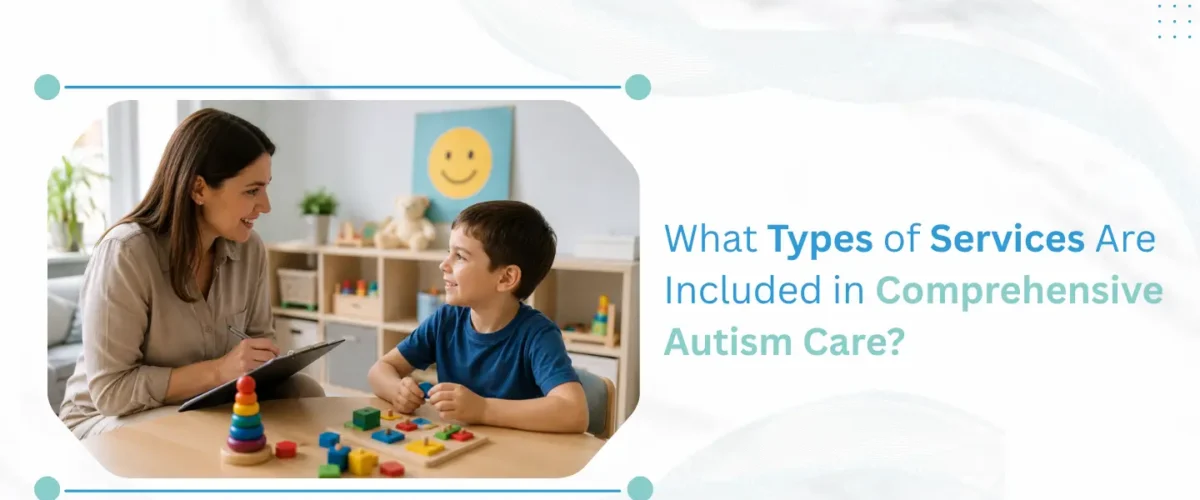
What Types of Services Are Included in Comprehensive Autism Care

What Types of Services Are Included in Comprehensive Autism Care?

Being autistic offers a unique way of life. It might mean you have a fantastic memory. You may also notice details that others miss. Plus, you can solve problems in very creative ways. The world can be confusing for new social encounters. It’s often hard to talk to strangers. That’s okay.
You are never alone. There is a lot of help available right now and it is designed just for you. Full care means a big plan made just for you. It includes different types of support to make your days brighter. Veve Health Services LLC is a warm place that offers this kind of special care. Let us look at what this care includes.

The First Friendly Chat

Your first step is an evaluation with a doctor or nurse. Rather than a formal test, this is simply a relaxed conversation to help our team understand your unique needs, challenges and goals. During this talk, the team wants to learn all about you. They ask simple questions to understand your life better.

  • What makes you smile during the day?
  • What are your big dreams?
  • What parts of your day feel hard?
  • What makes you feel worried?

The doctor listens carefully to hear your entire story. They consider your entire life, not just one issue, to create a personalized care plan.

Learning About Your Mind

A vital component of comprehensive autism care is psychoeducation, learning about your own mental health and understanding how your brain works. By recognizing your emotional patterns, everyday life becomes easier to navigate. When you know how your brain works, life gets easier. You start to understand your feelings. The team will teach you simple tricks to use every day.
You will learn many things in these visits:

  1. How to handle loud noises.
  2. What to do when your routine changes.
  3. How to calm down when you feel angry.
  4. How to talk about your feelings.

Learning these steps makes a big difference. You also get to share this new knowledge with your family. When your family understands how you think, your home becomes a peaceful place.

Safe Medicine Choices

Autism can sometimes be accompanied by intense emotions, such as deep sadness, anxiety, or difficulty sitting still in quiet environments. In a comprehensive care plan, medication management may be recommended to help regulate these feelings.
At Veve Health Services LLC, the doctors are careful. If you need medicine, they will watch you closely. They make sure it works well for your body.
They will take these steps:

  • Pick the safest medicine.
  • Start with a small amount.
  • Check in to see how you feel.
  • Make tiny changes if needed.

They always tell the truth. They explain what the medicine does using simple words. You and the doctor work as a team to keep you safe.

Help for Teens and Adults

Transitioning through adolescence and adulthood introduces new expectations and challenges. Whether you are navigating high school, managing workplace stress, or balancing family duties, life can sometimes feel overwhelming.
Full care helps make that rock lighter. The team does not want to change who you are. Your personality is great! They just want to give you good tools.
These tools help you in your daily life:

  1. Do better in classes.
  2. Feel less stressed at your job.
  3. Make new friends.
  4. Keep your room clean.

With the right tools, you can be your absolute best self every day.

Making Visits Easy and Comfortable

Accessing care should be easy. That’s why comprehensive care plans provide flexible visitation options. You can schedule an in-person appointment at Veve Health Services LLC’s friendly clinic, or choose a telehealth video call.
You can get care from home with our easy telehealth video appointments. Just use your computer or smartphone to connect.
Video calls are great:

  • You stay in your cozy room.
  • You save time.
  • You feel safe.
  • You still see your doctor.

Setting Real Goals Together

A big part of care is setting goals. Goals are like steps on a ladder. You climb them one by one. The team will help you pick goals that you can actually reach. They do not want you to feel stressed.
Some simple goals might be:

  1. Taking a deep breath when mad.
  2. Going to a new store.
  3. Sleeping better at night.

Walking the Path with You

Full care means you are never alone. The doctors stay by your side. As you grow, your needs might change. That is normal. Your care plan will change with you. If a tool stops working, the team finds a new one.
Asking for help is a brave choice. It takes courage to say you need support. Once you make that call, things get better. You do not have to fight the loud world all by yourself. Veve Health Services LLC is ready to hear your story. Do not wait to start your healing journey.

FAQs

Q. What is full autism care?

It is a big plan made just for you. It does not look at just one small thing. It helps your mind, your body and your feelings. It includes friendly talks, learning about your brain and sometimes safe medicine.

Q. Will I have to take medicine?

Not always. Some people do and some people do not. If you need medicine to help with big feelings, our doctors will help you pick a safe one. They will start with a very small amount and check on you often.
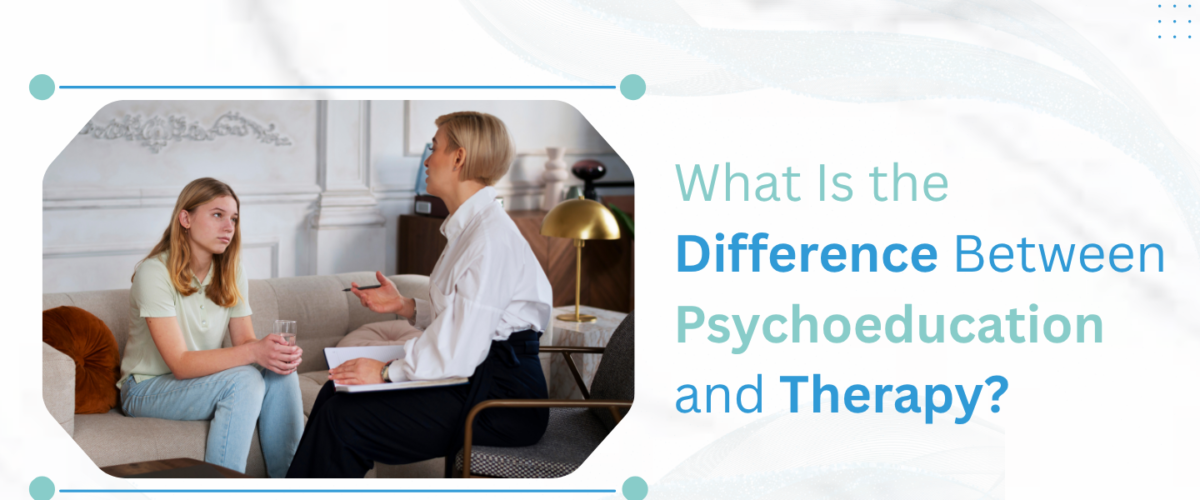

What Is the Difference Between Psychoeducation and Therapy

What Is the Difference Between Psychoeducation and Therapy?

Taking care of your mind is just as important as taking care of your body. When you look for mental health support, you may hear many new words. Two words you may hear often are psychoeducation and therapy.
Both can help people feel better, but they help in different ways.
At Veve Health Services LLC, we help people learn about their mental health and find the right care.
Knowing the difference between psychoeducation and therapy can help you choose the support that is best for you.

What Is Psychoeducation?

Psychoeducation means learning about mental health.
It helps people understand their thoughts, feelings and actions. It also helps people understand their experiences and enhance self-care.
Psychoeducation may teach about:

  • Mental health conditions
  • Common signs and symptoms
  • Causes of mental health concerns
  • Healthy coping skills
  • Stress management
  • Medication information
  • Healthy daily habits
  • Ways to prevent problems from coming back
  • How families can give support

Psychoeducation enhances understanding of mental health rather than treating personal issues.

What Is Therapy?

Therapy, or counseling, means working with a trained mental health expert.
It helps with emotional challenges, mental health problems, relationships, trauma, grief and other personal issues.
It provides a safe space to explore thoughts and feelings. This helps promote positive emotional and behavioral changes for a better daily life.
Therapy may include:

  • Talking through personal experiences
  • Identifying unhealthy thought patterns
  • Learning emotional regulation skills
  • Building healthy coping strategies
  • Improving relationships
  • Managing anxiety and depression
  • Healing from trauma
  • Setting personal goals

The Big Difference Between Psychoeducation and Therapy

To make it easy to see, we can look at a few main parts of both services.

The Main Goal

The goal of psychoeducation is to give you knowledge and quick skills. It wants to answer your questions about how the brain works. The goal of therapy is deep emotional healing and changing the way you think and live.

How Long It Lasts

Psychoeducation is often short. It may be necessary to take just a few classes or just a few sessions on a certain subject. Therapy usually takes longer. It can last for several months or even years because healing deep feelings takes time.

What You Talk About

In psychoeducation, you learn general information that can help many people.
In therapy, the focus is on you. You discuss your own family and dreams, your childhood and personal suffering.

How Psychoeducation Helps You

Psychoeducation gives you power through facts. Here are some ways it makes life easier:

  • It stops the shame

When you learn that anxiety is just a normal body reaction, you stop feeling bad about having it.

  • It gives you action steps

It gives strategies to manage stress and worry.

  • It helps your family

Your family can learn about mental health, enhancing their support for you.
Recognizing your emotions empowers you to steer your life.

How Therapy Helps You

Therapy provides a safe harbor for your soul. Here is how it helps you grow:

  • It heals old wounds: You can talk about sad things that happened long ago so they stop hurting you today.
  • It fixes relationships: You learn how to talk to your friends and family more healthily.
  • It changes bad patterns: If you always get angry when you are sad, therapy helps you see why and helps you stop doing it.

Therapy is a journey that is an exploration of loving yourself and finding out who you are.

Working Together for Better Health

You do not always have to choose just one of these services. In fact, they work best when they team up. Many people start by learning about their minds through education, and then they use therapy to work through their personal feelings.

Veve Health Services LLC focuses on offering caring, evidence-based mental health care for individuals and families.
We recognize everyone’s experience is unique. That’s why we offer:

  • Psychoeducation for facts.
  • Therapy for a supportive healing space.

Our board-certified team can meet with you in person or through secure video visits on your computer. We:

  • Listen to your story.
  • Hold your hand through the hard parts.
  • Help you build on your strengths.

You don’t have to handle everything on your own.

Conclusion

Psychoeducation and therapy are both helpful, but they are different.

  • Psychoeducation provides you with mental health information.
  • Therapy helps you work through emotional and personal challenges.

Many people can get the advantages of both. Learning and treatment work together to create a healthier, happier life.
Mental health matters and Veve Health Services LLC is here to support you and your loved ones. Reach out when you need help.

FAQs

Should I try psychoeducation first?

It depends. Psychoeducation offers mental health insights, but therapy may be necessary for daily life issues.

Can psychoeducation replace therapy?            

No, it supports but cannot substitute for professional therapy.