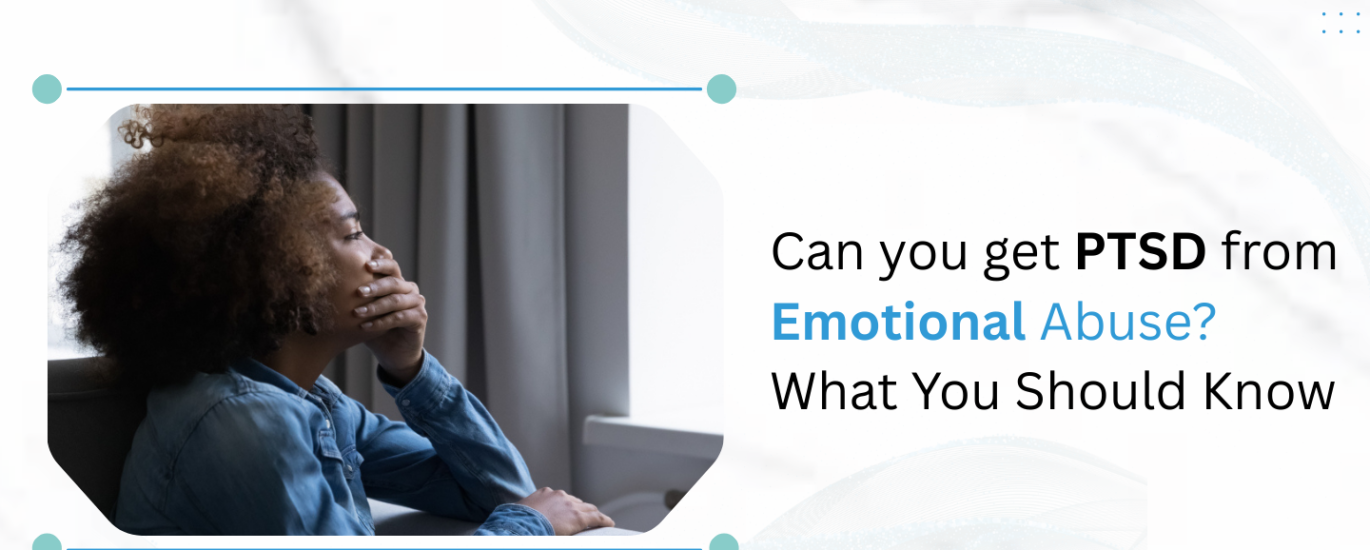
Emotional abuse can hurt the mind in deep ways. Many people think trauma only comes from war, accidents, or physical harm. But the truth is simple: words, control, fear and long-term emotional pain can also damage the brain and heart.
Many people ask one clear question: “Can emotional abuse cause PTSD?”
Yes. It is possible. Long periods of emotional harm can lead to symptoms linked to Post Traumatic Stress Disorder.
At Veve Health Services LLC, we help people who carry the weight of emotional trauma. Our goal is to support healing with care that is kind, personal and complete.
Below, we explain what emotional abuse does, how trauma forms and how support can help you recover.
What Is Emotional Abuse?
Emotional abuse occurs when someone uses words or control to hurt another person repeatedly.
This abuse may happen in:
- Romantic relationships
- Families
- Workplaces
- Friend groups
Many people also ask themselves, “Am I being abused?”
Common signs of emotional abuse include:
- Constant criticism
- Name calling
- Blaming you for everything
- Gaslighting
- Isolation from friends and family
- Threats or manipulation
- Controlling your actions or choices
Many victims hear harmful words every day. Over time, the brain learns to live in fear. The stress becomes part of daily life. This is how trauma slowly grows.
Can Emotional Abuse Cause PTSD?
Yes. PTSD may be caused by emotional abuse over a long period. Trauma develops when an individual experiences insecurity, helplessness, or domination. Emotional abuse often includes fear, humiliation and manipulation.
These experiences repeat the stress system of the brain. With time, the nervous system starts to remain in survival mode. This may result in domestic violence and PTSD symptoms, in the absence of physical harm.
Many survivors continue to face memories, anxiety and emotional distress even after the abuse stops. The brain reacts differently to trauma.
Why Emotional Abuse Can Be So Harmful
Emotional abuse is often invisible. There are no bruises or broken bones.
But the brain still reacts to the threat.
When someone hears harsh words daily, the mind begins to believe them. Fear becomes normal. Confidence fades. Stress builds inside the body.
Over time, this can lead to:
- Anxiety
- Panic attacks
- Depression
- Sleep problems
- Trauma responses
The brain stores painful memories. These memories can return without warning.
That is when PTSD symptoms appear.
Signs You May Have PTSD From Emotional Abuse
Most individuals who have undergone emotional abuse are not aware that their symptoms can be PTSD. They may think they are simply anxious or sensitive.
Some warning signs of emotional trauma include:
- Feeling tense or unsafe even when nothing is wrong
- Being easily startled
- Reliving painful conversations or memories
- Avoiding people or places connected to the abuse
- Struggling with trust in relationships
- Feeling guilt or shame about the past
- Constant worry or fear
If these sentiments distract from normal life, professional assistance can prove to be a strong force.
Long Term Effects of Emotional Abuse
Prolonged emotional abuse impacts many areas of life.
Common long-term effects include:
- Low self-esteem
- Fear of relationships
- Difficulty trusting others
- Trouble making decisions
- Chronic stress
- Depression
- Panic disorders
Many survivors feel alone. They might not know that their pain has a name. The initial process of being well is understanding trauma.
Who Is Most at Risk?
Any person may be emotionally abused. It may occur in any culture, age and social class.
Some people face a higher risk, such as:
- Children growing up in abusive homes
- Partners in controlling relationships
- People with limited support systems
- Individuals facing financial dependence
Emotional abuse may be prolonged when an individual feels trapped or powerless. This puts the risk of trauma at an augmented level.
How PTSD From Emotional Abuse Is Diagnosed
A psychiatrist should assess the symptoms to diagnose PTSD. During an evaluation, we consider:
- Trauma history
- Emotional symptoms
- Stress reactions
- Sleep patterns
- Daily functioning
At Veve Health Services LLC, we provide telepsychiatry evaluations, allowing patients to speak with professionals from home. This can help people seek support sooner.
How Treatment Helps Trauma Survivors
Healing from emotional abuse is possible. The brain can recover with the right care and guidance.
At Veve Health Services LLC, treatment often includes several parts.
- Psychotherapy
Therapy helps the patients realize trauma and overcome painful memories. Our counselor offers a secure atmosphere to speak openly.
Over time, therapy helps rebuild confidence and emotional strength.
- Medication Management
Medication helps some patients reduce anxiety, depression and severe trauma symptoms. Therapy should go hand in hand with medication to aid healing.
- Psychoeducation
Learning about trauma helps people understand their symptoms. Knowledge removes shame and confusion.
Patients explore how the brain copes with stress and how mending happens.
- Culturally Sensitive Care
Culture influences our view of mental health and trauma. Culturally aware care helps people recover and builds trust.
Our team listens carefully. We walk beside each patient throughout their healing journey.
Is PTSD Permanent or Can It Heal?
One of the most common questions survivors ask is: Is PTSD forever?
PTSD does not have to last a lifetime. With proper care, the brain can process traumatic memories, reduce stress responses and gradually recover.
Healing is possible with consistent and personalized mental health treatment.
Steps Toward Healing
Emotional abuse is time-consuming. It takes small steps to achieve a lot.
Helpful steps include:
- Acknowledge the abuse happened
- Professionally seek mental health care
- Be informed of trauma and recovery
- Develop facilitative relationships
- Practice self-compassion
- Focus on emotional safety
With the appropriate support, the brain slowly learns that life can be safe again. Recovery is real.
Final Words
Trauma from emotional abuse is real. No one deserves to carry that pain alone.
If you seek an emotional abuse therapist near me, assistance for PTSD, we’re here to help. We also offer counseling for abusers.
At Veve Health Services LLC, we provide comprehensive care for people facing post-traumatic stress disorder and other mental health challenges.
Book your appointment today and begin your path toward recovery and emotional strength.
FAQs
How do I know if I’m being psychologically abused?
Look for constant criticism, gaslighting, manipulation, isolation and feelings of fear or worthlessness.
What does a PTSD episode feel like?
It can be flashbacks, heart palpitations, hyperventilation, perspiration, numbness of the feelings, or dissociation.