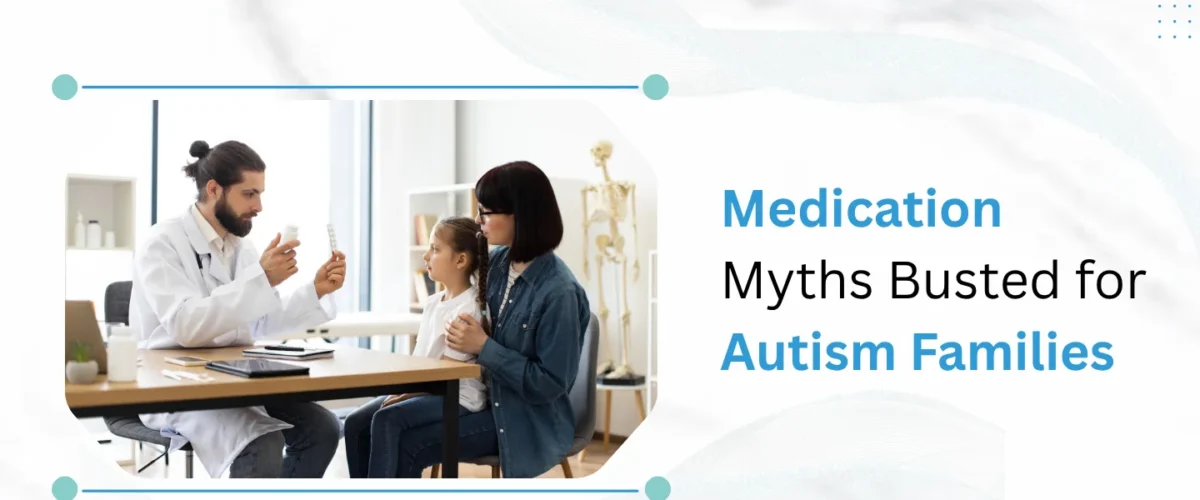
Medication Myths Busted for Autism Families

Medication Myths Busted for Autism Families

Raising or supporting a loved one with Autism Spectrum Disorder (ASD) can bring many questions, especially about medication. Families and individuals often feel confused or worried.
You may hear different opinions from friends, family, or online sources, and not all of them are accurate.
At Veve Health Services LLC, care is personal. Our team listens to you and supports individuals of all ages. Healing begins with understanding and trust.
Below, we’ll bust common medication myths about autism so you can feel more informed, confident, and less stressed.

Why Do Medication Myths About Autism Spread?

Medication myths often come from:

  • Outdated beliefs
  • Personal stories that don’t apply to everyone
  • Fear or lack of clear medical guidance

Autism is a spectrum, which means every individual is different. One person may need significant support, while another may need very little. As a result, no one treatment method is effective for all individuals.
It’s vital to seek personalized help from experienced providers; they understand autism and take time to listen.

Common Autism Medication Myths

Myth 1: Medication Cures Autism

This is not true. Medicine does not cure autism. Autism is not something that needs to be fixed. It is a lifelong part of how a person thinks, feels and sees the world.
Medicine can assist in certain aspects of daily life, including sleep, attention, anxiety, irritability, or mood. But it does not make any difference who the individual is. It is not aimed at eliminating autism. This aims at helping the individual to make life easier and more stable.

Myth 2: Every Autistic Person Needs Medicine

This is also not true. Some autistic people benefit more from:

  • Behavioral therapy
  • Structured routines
  • Educational or workplace support
  • Sensory strategies

Medication is one aspect of a larger care approach, rather than the sole solution.
At Veve Health Services LLC, the care plan is made for the person, not the label. We look at the full picture before making choices.

Myth 3: Medicine Will Change My Child’s Personality

This is a big worry for many parents.
The truth is, the goal of medication is not to change who your child is; it is to help them feel better and function better.
For example:

  • A child who feels less anxious may smile more
  • A child who sleeps better may have more energy

Medication should support your child, not change their identity.
If your child seems off, talk to your provider. Adjustments can be made.

Myth 4: If One Medicine Does Not Work, None Will

This is not true. The various drugs are used for different purposes.
Some drugs assist in sleep, some in attention, anxiety or mood. It may take time to find the right fit and it is a part of the process.
There is no “one-size-fits-all” solution in autism care.

Myth 5: Medicine Works Right Away

Some people think medication gives fast results. This is not always true.
Many medications take time to work. It may take:

  • Several days
  • A few weeks
  • Sometimes longer

Your provider may also need to adjust the dose. This process takes patience.
Follow-up visits are very important. At Veve Health Services LLC, providers track your progress. We make changes if needed to improve results.

Myth 6: Side Effects Mean Medication Is Harmful

Not always. Some side effects are mild and transient, particularly with the introduction of a new drug. Other people might imply that the dose should be changed or an alternative should be taken into account.
This is why it is necessary to communicate freely with your provider. Regular check-ins help ensure safety and effectiveness.

Myth 7: Autism Treatment Is the Same for Everyone

Each person possesses individual needs. Two people with autism may have very different experiences:

  • One may struggle with sleep
  • Another may face challenges with focus
  • Someone else may experience anxiety or sensory overload

That is why personalization matters so much at Veve Health Services LLC. We do not treat the chart alone. We treat the person.

How Does Medication Management Work?

Medication management is a careful process.

At Veve Health Services LLC, it starts with your first visit. You will:

  • Share your history
  • Talk about concerns
  • Ask questions

Then, a provider creates a treatment plan.
After that, follow-up visits are scheduled. These visits help:

  • Track progress
  • Adjust medication
  • Address concerns

This step-by-step care helps your child improve over time.

Questions Families Can Ask

It helps to ask questions before starting a medicine. You can ask:

  • Why is this medication needed?
  • What are the benefits?
  • What are the side effects?
  • How long will it take to work?

Understanding the plan helps you feel more confident.

At Veve Health Services LLC, your voice matters. Providers take time to explain things in simple ways.

Final Thoughts

Medication myths may cause misunderstanding and strain for the family. The truth is simpler. Autism cannot be cured by medicine, and it is not an option for all people. However, for some families, it can be beneficial in care.
The best treatment starts with listening, learning, and making a plan that fits the person. With the right support, families can feel more informed and more hopeful.
If you are looking for care that is personal, kind, and built around your needs, Veve Health Services LLC is here to help.
We connect you to a provider who knows autism. You’ll receive a treatment plan after your first visit. We will follow up to check progress and improve daily life.

FAQs

Is medication necessary for everyone with autism?

No. It depends on the individual’s unique needs, age and daily challenges.

Can medication cure autism?

No. It supports symptom management but fails to treat autism.

Can medication be stopped later?

Yes. Treatment plans may be modified as time goes by, depending on the progress and the emerging needs.
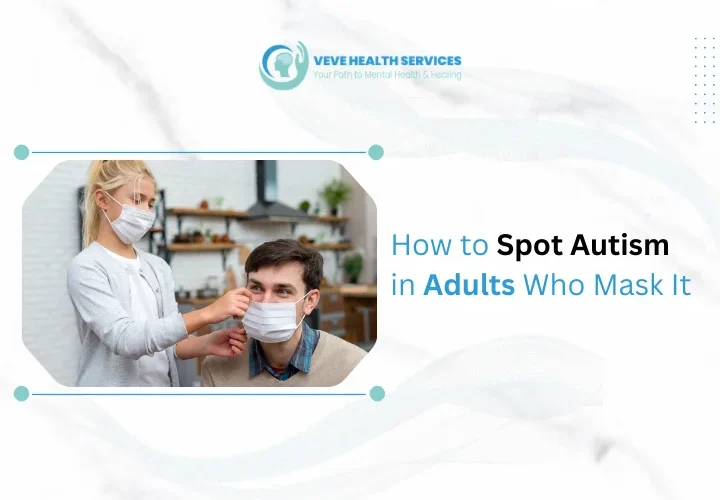
How to Spot Autism in Adults Who Mask It

How to Spot Autism in Adults Who Mask It

Autism is not the same for everyone. Each person shows it in their own way. Some adults hide their signs very well. This is called masking. A person may smile, nod, copy others, or act “fine” even when life feels hard inside. Because of this, many adults do not get help for years.
Here, we will help you understand how to spot autism in adults who mask it. We’ll show why these signs can be hard to see. We’ll also explain what masking looks like. Lastly, we’ll tell you when to get a professional evaluation.

What Is Masking?

In masking, an individual conceals their actual feelings, needs, or actions in order to fit in.
An adult who masks may:

  • Look ahead when things feel awkward. Keep your eyes forward. 
  • Imitate others’ tones, words, or movements. 
  • Practice talking in social situations. 
  • Hide stress, fear, or confusion. 
  • Appear calm outside but feel like bursting inside.

This is done by many adults who do not want to be judged, teased, and misunderstood. Others acquire masking in childhood. Others acquire it when they are older after numerous difficult situations in society.
Wearing a mask may assist an individual in coping with the day. It can be draining. It may also cause stress or burnout.

Why Autism in Adults Can Be Missed

Autism in adults is mostly overlooked as individuals tend to believe that autism always appears as such. However, the same signs may not appear in adults as they do in young children.
Some adults:

  • Speak well
  • Keep a job
  • Have a family
  • Seem socially sufficient
  • Conceal their troubles quite well

Due to this reason, other people might tell you that you do not appear autistic. This can hurt and make the individual feel invisible.
The process of how to imitate social rules is also learned by many adults. They can follow other individuals and attempt to imitate them. This has the ability to conceal the actual symptoms of autism over a long period of time.

Common Signs of Autism in Adults Who Mask It

The signs can be quiet. They are not immediately recognized. Nevertheless, they may manifest themselves in everyday life.

Social Exhaustion

An adult who masks can look nice. However, social hours can be tiring. They might require much time in silence after having spoken to people. Even brief visits may be exhausting.

Scripted Speech

There are adults who strategize what they are going to say. They can repeat the same mere words. They may have a careful or rehearsed speech.

Trouble with Small Talk

Minor conversation may be disorienting or useless. The individual can be aware of how to do it, but that is not natural. They can repeat the same questions since they are reading off the paper and not because they are comfortable.

Strong Need for Routine

Change can feel very hard. Minor changes of plans can lead to tension, anxiety, or closure. The person might like similar foods. They may choose similar seats. They could prefer the same routes or daily routines.

Hidden Sensory Problems

Other adults are extremely sensitive to sound, light, touch, smell, or texture. They can conceal this by remaining silent, wearing specific attire exclusively, or leaving early.

Intense Interests

There are several subjects on which a person can be interested. They can discuss them in the most minute detail and with delight. Such interests can make them feel safe and relaxed.

Trouble Reading Social Signals

Coded messages, tone variations, facial expressions, or concealed meanings may be lost with masked adults. They can be quite literal in their words.

Burnout After Social Effort

The individual can either be hollow, trembling, or closed after a day of imitating normality. They might have to sleep, be in solitude, or talk less.

Feeling Different Since Childhood

As they have known it, many autistic adults have been feeling different. It is possible that they never made friends, were able to fit in, or comprehend social rules.

How Masking Can Look on the Outside

A masked adult may look very put together from the outside. They may seem confident, polite, or even outgoing. But this does not mean they are not struggling.
Masking can look like:

  • Smiling when they feel lost
  • Laughing at the right time without feeling the moment
  • Holding in stims like hand movements or rocking
  • Copying body language
  • Avoiding topics that feel too hard
  • Saying “I am fine” when they are not fine

Because the mask works so well, family, friends, and even doctors may not notice the real struggle.

Emotional Signs That May Point to Autism

Autism is not only about behavior. It can also affect how a person feels inside.

An adult who masks may often feel:

  • Tired
  • Worried
  • Alone
  • Confused
  • Ashamed
  • Very sensitive to criticism
  • Upset by sudden changes

They may also feel relief when alone because they do not have to keep the mask on. Some may say they feel like they are acting in every conversation.

Autism Can Look Different in Men and Women

Autism can show up in different ways in different people. Some adults are noticed early, while others are missed for many years.
Women and teenagers are often better at masking. They may copy social behavior more often. They may also hide special interests if those interests look more “socially normal.”
Men can also mask. They may hide emotion, copy social habits, or use rules to get through social life. No matter the gender, the signs can still be missed if no one looks closely.

Autism And Other Conditions Can Look Similar

Autism can look a lot like other mental health concerns. This is one reason it is often missed.
It may be confused with:

Some adults may have autism and another condition too. That is why a full mental health evaluation matters. The goal is to understand the whole person, not just one symptom.

When It May Be Time to Seek an Evaluation

It may be time to ask for help if the signs are affecting daily life.
Some clues include:

  • Social life feels like work
  • Changes cause a strong stress reaction
  • Sensory issues are hard to handle
  • You keep burning out
  • You feel confused in social settings
  • You have always felt different
  • You keep hiding your real self
  • Daily life feels harder than it should

A professional evaluation from a diagnostic specialist can provide the answers you need. While Veve Health Services LLC does not provide initial diagnoses, we specialize in providing long-term clinical treatment and medication management for teenagers and adults living with Autism.

Why A Diagnosis Can Help

For many adults, a diagnosis brings relief. It can explain years of stress and confusion. It can also help a person get the right support.
A diagnosis may help with:

  • Better self-understanding
  • School or work support
  • Mental health care
  • Family understanding
  • Coping skills that fit the person
  • Less self-blame

It is not about labeling a person in a bad way. It is about finding truth, support, and a better path forward.

How Veve Health Services LLC Can Help

Veve Health Services LLC provides dedicated mental health support exclusively for teenagers and adults. While we do not provide initial autism diagnoses, we specialize in comprehensive medication management and ongoing clinical support for those living with Autism Spectrum Disorder.
VeveHealth offers:

  • Medication management
  • Psychoeducation
  • Telepsychiatry and in-person visits
  • Autism spectrum disorder support
  • Specialized programs

Their care is built around strengths. The team uses a personalized plan with a holistic approach. That means care may include both medication and therapy when needed. VeveHealth also supports many other concerns, including depression, anxiety, and PTSD.
This kind of care can help adults who mask their autism feel seen and understood. It can also help them find steps that fit real life.

How Friends and Family Can Help

If you love someone who may be masking autism, kindness matters.

You can help by:

  • Listening without pushing
  • Respecting quiet time
  • Not forcing eye contact
  • Accepting routines when possible
  • Being patient with changes
  • Asking what helps them feel safe

Support works best when it feels calm and caring.

Final Thoughts

Autism in adults who mask it can be hard to spot. The signs may hide behind a smile, a script, or a busy daily life. But the struggle is still real.
Look for social exhaustion, strong routines, sensory issues, hidden stress, and a long history of feeling different. These signs do not prove autism by themselves. But they can be a reason to seek a full evaluation. Following a diagnosis, Veve Health Services LLC can help with medication management, psychoeducation, and specialized support for teenagers and adults. That care can be a helpful first step toward clarity and peace.

FAQs

Q. Is masking a sign of autism?

Masking is not a diagnosis by itself. But it is common in many autistic adults.

Q. Why do adults mask their autism?

Many adults mask to fit in, avoid judgment, or get through school, work, and social life.

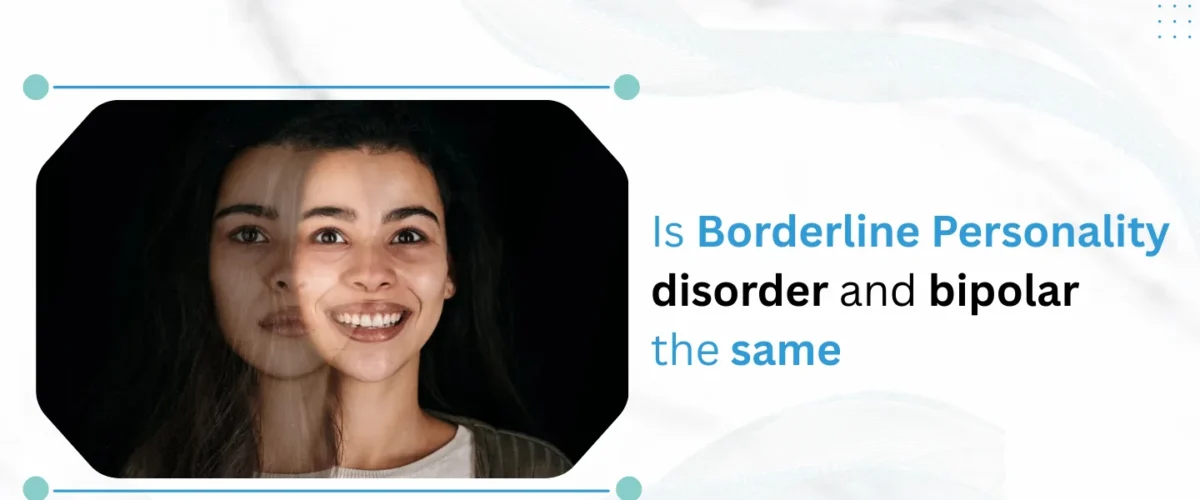
Is Borderline Personality Disorder and Bipolar the Same

Is Borderline Personality Disorder and Bipolar the Same

Many people want to know the difference between bipolar and borderline disorder. They often compare the two conditions. They look similar but are different. There are important ways they do not match. We will describe the differences in simple terms. We explain things.

What Is Borderline Personality Disorder?

Borderline personality disorder (BPD) changes how people see themselves. It impacts their self-image. It also affects how they feel about others. Individuals with BPD can experience large emotions that shift quickly. They can feel anxious about being left out. They might also get angry or act quickly. They might feel empty or unsure of themselves. These trends last a long time. They affect many parts of life.

What Is Bipolar Disorder?

Bipolar disorder is classified as a mood disorder. Bipolar individuals experience vivid moods. These are mania or hypomania and depression periods, respectively. The agonies can last for days or weeks. The bad times can also last for days or weeks. In between the episodes, there are numerous individuals who are more like their regular selves. Bipolar mood swings can be addressed with the help of medication.

How Are They Different? (BPD vs Bipolar)

Here are the main ways they differ, using simple words.

  1. Time and pattern
    • BPD mood changes can happen quickly. They can change in hours after a fight or stress.
    • Bipolar mood changes usually last longer. They come in episodes that last days or weeks.
  2. What starts the mood change
    • In BPD, feelings often change after something happens, like a fight or feeling rejected.
    • In bipolar, the mood change can start without a clear event. The brain’s mood system has strong swings.
  3. Relationships and self-image
    • Individuals with BPD frequently experience highly emotional and fluctuating relationships. They may switch between trusting and pushing people away.
    • People with bipolar may also have relationship trouble, but the pattern of intense swings about others is more a BPD sign.
  4. Types of mood changes
    • BPD mood swings are often short and tied to events. People may feel extreme shame, anger, or sadness for a few hours or a day.
    • Bipolar episodes are longer and meet specific medical rules for mania or depression.

Can Someone Have Both?

Yes. An individual can simultaneously experience both BPD and bipolar disorder. This can make things harder to understand. Doctors will look carefully at the person’s history, how long moods last and what triggers the moods. Tests and careful visits help find the right diagnosis. Research shows the conditions can overlap, but they are still seen as different diagnoses.

How Are They Treated?

Treatment can be different.

  • In the case of BPD, treatment is highly significant. Skill-based talk therapies can be of great assistance. People learn to relax. They manage their impulses. They also keep stable relationships. Therapy helps with some symptoms. It is a key tool for management. Medications can help, too.
  • Bipolar disorder needs medicine. It is important for treatment. Psychiatric meds help. Mood stabilizers stop episodes. Healthy sleep helps. Regular care matters. Talk therapy also helps people feel better.

The two conditions improve when an individual receives the appropriate care and support. The plan is tailored according to the individual and their requirements.

How We Can Help

At Veve Health Services, we offer help for people who have mood or personality worries. We give careful evaluations and diagnoses so you know what is happening. We do medication management when medicines are needed. We teach psychoeducation so you and your family can understand the conditions. We offer telepsychiatry and in-person visits to fit your life. We also support people with autism and have specialized programs for specific needs. If you want, we can make a simple plan just for you.

When To Ask for Help

Ask for help if:

  • Your moods or those of someone you love are swinging around because of the problems you or they cause at school, at work, or at home.
  • Emotions can be very big. They are hard to manage.
  • Worries about hurting others or yourself
  • You are dizzy about what is going on, and you desire a clear roadmap.

Talk to a mental health professional to get an answer and a plan. We would assist you in getting the appropriate treatment.

Words You Might Hear

  • Episode: A mood episode is when feelings are very high. It can also be very low.
  • Impulsive: Rushing in to do things
  • Psychoeducation: Education regarding the disease and the maintenance of safety.
  • Medication management: A physician assists in selecting and monitoring medications.

Gentle Advice for Families

If someone you love has BPD or bipolar:

  • Stay calm and kind. Short, clear talk helps.
  • Learn about the condition. Simple facts make you less scared.
  • Encourage visits with a specialist. A diagnosis can guide good help.
  • Take care of yourself, too. Families need rest and help.

Final Thoughts on Borderline Personality Disorder vs Bipolar Disorder

These two conditions are not the same. They can look similar sometimes. A careful check by a doctor can tell the difference. You may wonder if it is bipolar or borderline personality. A psychiatrist can find the right answer. Then you can get the right care. We at Veve Health Services are ready to help with evaluations and medicines. We offer visits by video or in person. Visit our site or call us for a first step.

FAQs

Q. What are the symptoms of BPD and bipolar?

Common signs of BPD are big mood changes after fights. You might feel empty or fear being left. You may also make quick choices. Bipolar symptoms include long periods of extreme high or low moods.

Q. How do I make an appointment?

If you need help, we can talk. Then, we’ll make a plan together. We at Veve Health Services LLC are here to help with evaluations, medicine, and visits by video or in person.

PTSD From Emotional Abuse 2

Can You Get PTSD From Emotional Abuse? What You Should Know


Emotional abuse can hurt the mind in deep ways. Many people think trauma only comes from war, accidents, or physical harm. But the truth is simple: words, control, fear and long-term emotional pain can also damage the brain and heart.
Many people ask one clear question: “Can emotional abuse cause PTSD?”
Yes. It is possible. Long periods of emotional harm can lead to symptoms linked to Post Traumatic Stress Disorder.
At Veve Health Services LLC, we help people who carry the weight of emotional trauma. Our goal is to support healing with care that is kind, personal and complete.
Below, we explain what emotional abuse does, how trauma forms and how support can help you recover.

What Is Emotional Abuse?

Emotional abuse occurs when someone uses words or control to hurt another person repeatedly.
This abuse may happen in:

  • Romantic relationships
  • Families
  • Workplaces
  • Friend groups

Many people also ask themselves, “Am I being abused?”
Common signs of emotional abuse include:

  • Constant criticism
  • Name calling
  • Blaming you for everything
  • Gaslighting
  • Isolation from friends and family
  • Threats or manipulation
  • Controlling your actions or choices

Many victims hear harmful words every day. Over time, the brain learns to live in fear. The stress becomes part of daily life. This is how trauma slowly grows.

Can Emotional Abuse Cause PTSD?

Yes. PTSD may be caused by emotional abuse over a long period. Trauma develops when an individual experiences insecurity, helplessness, or domination. Emotional abuse often includes fear, humiliation and manipulation.
These experiences repeat the stress system of the brain. With time, the nervous system starts to remain in survival mode. This may result in domestic violence and PTSD symptoms, in the absence of physical harm.
Many survivors continue to face memories, anxiety and emotional distress even after the abuse stops. The brain reacts differently to trauma.

Why Emotional Abuse Can Be So Harmful

Emotional abuse is often invisible. There are no bruises or broken bones.
But the brain still reacts to the threat.
When someone hears harsh words daily, the mind begins to believe them. Fear becomes normal. Confidence fades. Stress builds inside the body.
Over time, this can lead to:

  • Anxiety
  • Panic attacks
  • Depression
  • Sleep problems
  • Trauma responses

The brain stores painful memories. These memories can return without warning.
That is when PTSD symptoms appear.

Signs You May Have PTSD From Emotional Abuse

Most individuals who have undergone emotional abuse are not aware that their symptoms can be PTSD. They may think they are simply anxious or sensitive.
Some warning signs of emotional trauma include:

  • Feeling tense or unsafe even when nothing is wrong
  • Being easily startled
  • Reliving painful conversations or memories
  • Avoiding people or places connected to the abuse
  • Struggling with trust in relationships
  • Feeling guilt or shame about the past
  • Constant worry or fear

If these sentiments distract from normal life, professional assistance can prove to be a strong force.

Long Term Effects of Emotional Abuse

Prolonged emotional abuse impacts many areas of life.
Common long-term effects include:

  • Low self-esteem
  • Fear of relationships
  • Difficulty trusting others
  • Trouble making decisions
  • Chronic stress
  • Depression
  • Panic disorders

Many survivors feel alone. They might not know that their pain has a name. The initial process of being well is understanding trauma.

Who Is Most at Risk?

Any person may be emotionally abused. It may occur in any culture, age and social class.
Some people face a higher risk, such as:

  • Children growing up in abusive homes
  • Partners in controlling relationships
  • People with limited support systems
  • Individuals facing financial dependence

Emotional abuse may be prolonged when an individual feels trapped or powerless. This puts the risk of trauma at an augmented level.

How PTSD From Emotional Abuse Is Diagnosed

A psychiatrist should assess the symptoms to diagnose PTSD. During an evaluation, we consider:

  • Trauma history
  • Emotional symptoms
  • Stress reactions
  • Sleep patterns
  • Daily functioning

At Veve Health Services LLC, we provide telepsychiatry evaluations, allowing patients to speak with professionals from home. This can help people seek support sooner.

How Treatment Helps Trauma Survivors

Healing from emotional abuse is possible. The brain can recover with the right care and guidance.
At Veve Health Services LLC, treatment often includes several parts.

  • Psychotherapy

Therapy helps the patients realize trauma and overcome painful memories. Our counselor offers a secure atmosphere to speak openly.

Over time, therapy helps rebuild confidence and emotional strength.

  • Medication Management

Medication helps some patients reduce anxiety, depression and severe trauma symptoms. Therapy should go hand in hand with medication to aid healing.

  • Psychoeducation

Learning about trauma helps people understand their symptoms. Knowledge removes shame and confusion.
Patients explore how the brain copes with stress and how mending happens.

  • Culturally Sensitive Care

Culture influences our view of mental health and trauma. Culturally aware care helps people recover and builds trust.
Our team listens carefully. We walk beside each patient throughout their healing journey.

Is PTSD Permanent or Can It Heal?

One of the most common questions survivors ask is: Is PTSD forever?

PTSD does not have to last a lifetime. With proper care, the brain can process traumatic memories, reduce stress responses and gradually recover.
Healing is possible with consistent and personalized mental health treatment.

Steps Toward Healing

Emotional abuse is time-consuming. It takes small steps to achieve a lot.
Helpful steps include:

  1. Acknowledge the abuse happened
  2. Professionally seek mental health care
  3. Be informed of trauma and recovery
  4. Develop facilitative relationships
  5. Practice self-compassion
  6. Focus on emotional safety

With the appropriate support, the brain slowly learns that life can be safe again. Recovery is real.

Final Words

Trauma from emotional abuse is real. No one deserves to carry that pain alone.
If you seek an emotional abuse therapist near me, assistance for PTSD, we’re here to help. We also offer counseling for abusers.
At Veve Health Services LLC, we provide comprehensive care for people facing post-traumatic stress disorder and other mental health challenges.
Book your appointment today and begin your path toward recovery and emotional strength.

FAQs

How do I know if I’m being psychologically abused?

Look for constant criticism, gaslighting, manipulation, isolation and feelings of fear or worthlessness.

What does a PTSD episode feel like?

It can be flashbacks, heart palpitations, hyperventilation, perspiration, numbness of the feelings, or dissociation.

Can Anxiety Cause Chest Pain Every Day

Can Anxiety Cause Chest Pain Every Day? Understanding the Reasons

Chest pain can feel scary. You can ask yourself whether every day you can make your chest hurt because of worry or anxiety. Anxiety, heart problems, or lung issues can cause chest pain. Know why you feel pain. Also, know when to get help.

What Is Chest Pain?

Chest pain is discomfort. It may feel like tight chest anxiety or a constricted feeling. It can seem like a sting, a jab, or a heavy burden. Chest pain can be attributed to various things. Other reasons are not threatening. Other reasons can be quite severe and require urgent attention.

How Can Anxiety Cause Chest Pain?

When you are anxious, your body prepares to defend you. This is referred to as the fight or flight response. Your heart beats faster. You breathe faster. Your muscles can tighten. This can all cause the chest to tighten or be sore. Panic attacks are a potent anxiety disorder. Chest pain in anxiety attack situations is usually sudden. Many people feel pain in their chest during these times. They might have a fast heartbeat. They can sweat. They may also have trouble breathing.

Why Might Chest Pain Happen Every Day with Anxiety?

When a person feels concerned most of the time, their body will be on high alert. This can cause the pain in the chest to recur frequently. The following are some of the reasons why chest pain can occur daily:

  • Your chest muscles are tight. They feel stiff.
  • You breathe too fast (hyperventilating). This may cause cramping of the chest muscles.
  • You experience a recurrence of panic attacks. These are capable of producing short-lived, yet severe chest pains.
  • Stress is making your chest sore.

Identifying Whether Chest Pain Is Linked to Anxiety or Another Condition

It may be difficult to understand why the pain is happening. If you wonder what does chest pain from anxiety feel like, it often includes:

  • A feeling of nervousness in chest, a fast heartbeat, shaking, or intense fear.
  • Produces rapidly and could cease in minutes.
  • May feel acute or concentrate in a position.

However, the heart pain (such as angina or a heart attack) may be more severe. The pain in the heart could be in the form of pressure, squeezing, or a heavy weight. It extends to the arm, jaw, neck, or back. It may be accompanied by dyspnea, perspiration, or nausea. When in doubt, it is an emergency, and you have to treat the pain.

When To Seek Emergency Care

Get emergency help right away. This is important if you have new or severe chest pain. Look for these signs.

  • Difficult breathing or extreme shortness of breath
  • The appearance of pain that expands into the arm, jaw, neck, or back.
  • Slightly or extremely sensitive and disoriented.
  • Excessive sweating, nausea, or light skin.
  • Either a very slow or a very fast heartbeat.

It is better to be safe. In case you are concerned that the heart may be causing you pain, call an ambulance.

How Doctors Find the Cause

The doctor will examine you and inquire about your pain. They can carry out a test like heart tracing (ECG), blood tests, or breathing tests. These examinations assist in eliminating the possibility of cardiac or pulmonary issues. In case the tests of the heart and lungs are normal, the doctor might examine the anxiety or muscle causes. According to contemporary guidelines, physicians must be meticulous in examining the chest pain in order to discover the appropriate cause.

How to Stop Chest Pain from Anxiety

If anxiety is causing chest pain, these simple steps can help:

  • Learn slow breathing. Breathe in for 4 counts, out for 6, and repeat.
  • Do light exercise each day, like a short walk.
  • Try muscle relaxation. Tighten and then relax different muscles.
  • Talk to a trusted person or counselor about your worries.
  • Use therapy or medicine if a doctor advises it. Many people get better with these treatments.

How We Help at Veve Health Services LLC

We are a mental health team that helps people feel better. We do evaluations and diagnose problems. We offer medicine when it is needed. We teach simple skills to handle worry. We see people by telehealth or in person. We care for all ages and treat many conditions like anxiety, depression, insomnia, ADHD, and anxiety in elderly at night.

If your chest pain is linked to anxiety, we can:

  • Check your symptoms and history.
  • Teach breathing and relaxation steps you can use at home.
  • Offer therapy to help change worry thoughts.
  • Manage medicine safely, if it will help.
  • Make a care plan that fits your culture and life.

We try to make care simple and kind. We work with you to make small steps that bring real change.

When To See Us or Your Doctor

If you have chest pain that is not very strong and your heart has been checked and is fine, you can book a visit with your regular doctor or us. We can help if:

  • Pain comes back often but heart tests are normal.
  • Worry or panic makes your chest hurt.
  • You want tools to cope with daily stress.

If your chest pain is new, very bad, or has red flag signs (see “When to Seek Emergency Care”), please get emergency care first.

Final Words

Chest pain is very scary. Some people feel it daily due to anxiety. However, a painful chest experience may be an indicator of a lung or heart issue. Always be examined in case the pain is new or sharp. In case your heart is tested to be good, then we can assist with treatment, medication, and techniques to reduce anxiety and pain.
You don’t have to tackle this alone. We are coming to hear and assist with tender sympathy. Minor steps may lead to major changes.

FAQs

Q. How can Veve Health Services LLC help me?

We do checks, teach calming skills, offer medicine if needed and see you by video or in person. You can talk to us and we will make a care plan just for you.

Q. Can exercise help?

Yes. Short walks and gentle moves can help your body calm down and ease the chest feeling.

Is Autism a Psychiatric Disorder

Is Autism a Psychiatric Disorder?

People can use the word autism to speak about the development and functioning of some brains. Some refer to it as autism spectrum disorder. Others say autism spectrum. In basic terms, autism entails the fact that an individual thinks, learns, and feels differently from the majority. Routines are preferred by some autistic individuals. Others like solitude at times. Some find loud sounds hard. All these things are okay. They constitute the constitution of an individual.

What Autism Is

To understand the autism background, it begins when a child is in the early years. It is not a choice. One cannot be infected by another person. Scientists believe that autism is an offspring of many things, such as genes and brain development. People who are autistic might find a different way of learning. They can have a preference for doing repetitive activities. They can be very interested in some issues. There are individuals with autism who are talkative. Some do not use many words. Different people with autism are different.

Is Autism a Psychiatric Disorder? (Is autism a mental illness?)

This question is important. Many doctors, teachers, and families ask: Is autism a mental illness? The short answer is: autism is often called a disorder by doctors, so they can give help and support. But autism is also a difference in how the brain works. It is both a medical label and a way to describe that someone learns and thinks differently.

Calling autism, a psychiatric disorder helps people get services. It helps doctors and schools know how to help. It also helps with getting medicines when they are needed. Yet many people with autism do not like being called only a disorder. They say autism is part of who they are.

We at Veve Health know both sides. We use the medical label when it helps people get care. We also respect each person’s strengths and wishes.

How Doctors Decide

To identify a person as autistic, the doctors and other experts observe and communicate with that individual and their family. They observe the way the individual plays, talks, and even conducts themselves. It can be assisted by tests and checklists. Physicians can also test the hearing and general health of a child.

A critical analysis examines the different levels of autism, whether a person meets the criteria for mild to moderate autism spectrum disorder, or if they display signs of severe autism. Sometimes, an evaluation may even determine that a person’s traits place them off the spectrum entirely.

A critical analysis examines:

  • The way an individual speaks and gestures.
  • The way an individual plays and is fond of routines.
  • The way an individual responds to visuals, auditory impressions, touch, and taste.
  • The age at which the individual had initiated the symptoms.

If the doctor thinks someone is autistic, they can make a diagnosis of mild to moderate autism or other specific needs. The special help, school support, and programs can be unlocked when it comes to that diagnosis.

Help and Treatment

Autism is not something that always needs a “cure.” Many supports help a person live a full life and manage every autism spectrum challenge. Supports can teach skills and make daily life easier. Some people use medicines for sleep, attention, or anxiety. Medicines do not change autism. They help with problems that make life hard. At our clinic, we offer many kinds of help. We work with families and with other teams to make a plan that fits each person.

How We Help at Veve Health Services LLC

We are a team that cares about people who are autistic. We try to listen and learn from each person. We mean to give kind and clear care. Our services include:

  • Evaluations & Diagnosis: We do careful checks to see if a person is autistic. We use simple tests and talk with parents and teachers.
  • Medication Management: If medicines can help, we explain how they work and watch for side effects.
  • Psychoeducation: We teach families and people how autism works. We show useful ways to help at home and at school.
  • Telepsychiatry & In-Person Visits: You can see our doctors online or come to the clinic. We make it easy for families to meet with us.
  • Autism Spectrum Disorder Support: We make plans for behavior, learning, and life skills. We build on strengths.
  • Specialized Programs: We offer programs that focus on skills, social rules, and calm strategies.

We use the word “we” because we work with you. You know the person best. We join with you to make life better.

Respect and Strengths

Autistic people possess numerous positive abilities. Some people are able to see little things that others fail to see. Some learn diligently about a subject and become professionals. Autistic people should be treated with a sense of dignity. We value autism inclusion and inquire about their likes and needs. We make no attempts to reform their character. We assist them in developing skills that are of interest to them.

Simple Tips for Families

  • Watch and listen to your child. Let them show you what they like.
  • Keep a calm routine when possible. Routines can feel safe.
  • Use clear, short words. Show with pictures or gestures.
  • Give quiet time and a safe place when things feel too loud.
  • Talk with teachers and doctors early if you worry.

Final Thoughts

Autism can be called a psychiatric disorder by doctors, so that people can get help. Yet it is also a way of being. People with autism are people first. They can learn, laugh, and love. They can grow strong skills and find joy.

If you think your child or a person you care about might be autistic, reach out for an evaluation. Good help can make life smoother. We are here to listen and to work with you, step by step.

FAQs

Q. Can autism be helped?

Yes. Lessons, routines, and some medicines can make life easier. Help focuses on the skills the person needs.

Q. Will my child be okay when they grow up?

Many autistic people grow up happy and do well. With support, they learn skills and find jobs and friends.