
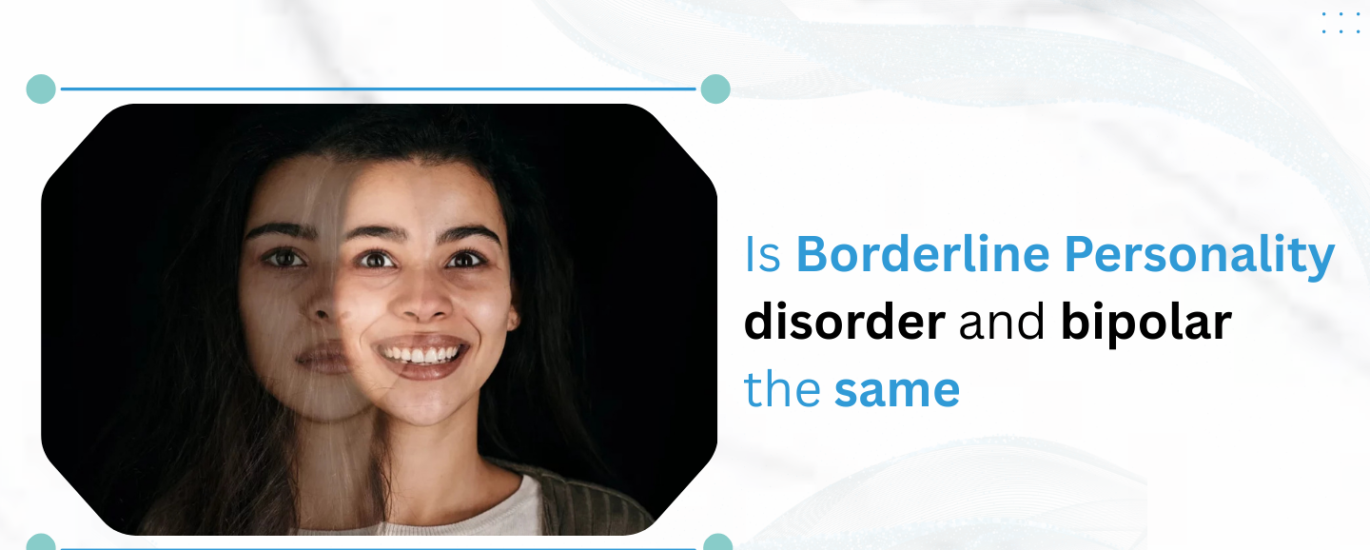
Many people want to know the difference between bipolar and borderline disorder. They often compare the two conditions. They look similar but are different. There are important ways they do not match. We will describe the differences in simple terms. We explain things.
What Is Borderline Personality Disorder?
Borderline personality disorder (BPD) changes how people see themselves. It impacts their self-image. It also affects how they feel about others. Individuals with BPD can experience large emotions that shift quickly. They can feel anxious about being left out. They might also get angry or act quickly. They might feel empty or unsure of themselves. These trends last a long time. They affect many parts of life.
What Is Bipolar Disorder?
Bipolar disorder is classified as a mood disorder. Bipolar individuals experience vivid moods. These are mania or hypomania and depression periods, respectively. The agonies can last for days or weeks. The bad times can also last for days or weeks. In between the episodes, there are numerous individuals who are more like their regular selves. Bipolar mood swings can be addressed with the help of medication.
How Are They Different? (BPD vs Bipolar)
Here are the main ways they differ, using simple words.
- Time and pattern
• BPD mood changes can happen quickly. They can change in hours after a fight or stress.
• Bipolar mood changes usually last longer. They come in episodes that last days or weeks. - What starts the mood change
• In BPD, feelings often change after something happens, like a fight or feeling rejected.
• In bipolar, the mood change can start without a clear event. The brain’s mood system has strong swings. - Relationships and self-image
• Individuals with BPD frequently experience highly emotional and fluctuating relationships. They may switch between trusting and pushing people away.
• People with bipolar may also have relationship trouble, but the pattern of intense swings about others is more a BPD sign. - Types of mood changes
• BPD mood swings are often short and tied to events. People may feel extreme shame, anger, or sadness for a few hours or a day.
• Bipolar episodes are longer and meet specific medical rules for mania or depression.
Can Someone Have Both?
Yes. An individual can simultaneously experience both BPD and bipolar disorder. This can make things harder to understand. Doctors will look carefully at the person’s history, how long moods last and what triggers the moods. Tests and careful visits help find the right diagnosis. Research shows the conditions can overlap, but they are still seen as different diagnoses.
How Are They Treated?
Treatment can be different.
- In the case of BPD, treatment is highly significant. Skill-based talk therapies can be of great assistance. People learn to relax. They manage their impulses. They also keep stable relationships. Therapy helps with some symptoms. It is a key tool for management. Medications can help, too.
- Bipolar disorder needs medicine. It is important for treatment. Psychiatric meds help. Mood stabilizers stop episodes. Healthy sleep helps. Regular care matters. Talk therapy also helps people feel better.
The two conditions improve when an individual receives the appropriate care and support. The plan is tailored according to the individual and their requirements.
How We Can Help
At Veve Health Services, we offer help for people who have mood or personality worries. We give careful evaluations and diagnoses so you know what is happening. We do medication management when medicines are needed. We teach psychoeducation so you and your family can understand the conditions. We offer telepsychiatry and in-person visits to fit your life. We also support people with autism and have specialized programs for specific needs. If you want, we can make a simple plan just for you.
When To Ask for Help
Ask for help if:
- Your moods or those of someone you love are swinging around because of the problems you or they cause at school, at work, or at home.
- Emotions can be very big. They are hard to manage.
- Worries about hurting others or yourself
- You are dizzy about what is going on, and you desire a clear roadmap.
Talk to a mental health professional to get an answer and a plan. We would assist you in getting the appropriate treatment.
Words You Might Hear
- Episode: A mood episode is when feelings are very high. It can also be very low.
- Impulsive: Rushing in to do things
- Psychoeducation: Education regarding the disease and the maintenance of safety.
- Medication management: A physician assists in selecting and monitoring medications.
Gentle Advice for Families
If someone you love has BPD or bipolar:
- Stay calm and kind. Short, clear talk helps.
- Learn about the condition. Simple facts make you less scared.
- Encourage visits with a specialist. A diagnosis can guide good help.
- Take care of yourself, too. Families need rest and help.
Final Thoughts on Borderline Personality Disorder vs Bipolar Disorder
These two conditions are not the same. They can look similar sometimes. A careful check by a doctor can tell the difference. You may wonder if it is bipolar or borderline personality. A psychiatrist can find the right answer. Then you can get the right care. We at Veve Health Services are ready to help with evaluations and medicines. We offer visits by video or in person. Visit our site or call us for a first step.
FAQs
Q. What are the symptoms of BPD and bipolar?
Common signs of BPD are big mood changes after fights. You might feel empty or fear being left. You may also make quick choices. Bipolar symptoms include long periods of extreme high or low moods.
Q. How do I make an appointment?
If you need help, we can talk. Then, we’ll make a plan together. We at Veve Health Services LLC are here to help with evaluations, medicine, and visits by video or in person.