People can use the word autism to speak about the development and functioning of some brains. Some refer to it as autism spectrum disorder. Others say autism spectrum. In basic terms, autism entails the fact that an individual thinks, learns, and feels differently from the majority. Routines are preferred by some autistic individuals. Others like solitude at times. Some find loud sounds hard. All these things are okay. They constitute the constitution of an individual.
What Autism Is
To understand the autism background, it begins when a child is in the early years. It is not a choice. One cannot be infected by another person. Scientists believe that autism is an offspring of many things, such as genes and brain development. People who are autistic might find a different way of learning. They can have a preference for doing repetitive activities. They can be very interested in some issues. There are individuals with autism who are talkative. Some do not use many words. Different people with autism are different.
Is Autism a Psychiatric Disorder? (Is autism a mental illness?)
This question is important. Many doctors, teachers, and families ask: Is autism a mental illness? The short answer is: autism is often called a disorder by doctors, so they can give help and support. But autism is also a difference in how the brain works. It is both a medical label and a way to describe that someone learns and thinks differently.
Calling autism, a psychiatric disorder helps people get services. It helps doctors and schools know how to help. It also helps with getting medicines when they are needed. Yet many people with autism do not like being called only a disorder. They say autism is part of who they are.
We at Veve Health know both sides. We use the medical label when it helps people get care. We also respect each person’s strengths and wishes.
How Doctors Decide
To identify a person as autistic, the doctors and other experts observe and communicate with that individual and their family. They observe the way the individual plays, talks, and even conducts themselves. It can be assisted by tests and checklists. Physicians can also test the hearing and general health of a child.
A critical analysis examines the different levels of autism, whether a person meets the criteria for mild to moderate autism spectrum disorder, or if they display signs of severe autism. Sometimes, an evaluation may even determine that a person’s traits place them off the spectrum entirely.
A critical analysis examines:
- The way an individual speaks and gestures.
- The way an individual plays and is fond of routines.
- The way an individual responds to visuals, auditory impressions, touch, and taste.
- The age at which the individual had initiated the symptoms.
If the doctor thinks someone is autistic, they can make a diagnosis of mild to moderate autism or other specific needs. The special help, school support, and programs can be unlocked when it comes to that diagnosis.
Help and Treatment
Autism is not something that always needs a “cure.” Many supports help a person live a full life and manage every autism spectrum challenge. Supports can teach skills and make daily life easier. Some people use medicines for sleep, attention, or anxiety. Medicines do not change autism. They help with problems that make life hard. At our clinic, we offer many kinds of help. We work with families and with other teams to make a plan that fits each person.
How We Help at Veve Health Services LLC
We are a team that cares about people who are autistic. We try to listen and learn from each person. We mean to give kind and clear care. Our services include:
- Evaluations & Diagnosis: We do careful checks to see if a person is autistic. We use simple tests and talk with parents and teachers.
- Medication Management: If medicines can help, we explain how they work and watch for side effects.
- Psychoeducation: We teach families and people how autism works. We show useful ways to help at home and at school.
- Telepsychiatry & In-Person Visits: You can see our doctors online or come to the clinic. We make it easy for families to meet with us.
- Autism Spectrum Disorder Support: We make plans for behavior, learning, and life skills. We build on strengths.
- Specialized Programs: We offer programs that focus on skills, social rules, and calm strategies.
We use the word “we” because we work with you. You know the person best. We join with you to make life better.
Respect and Strengths
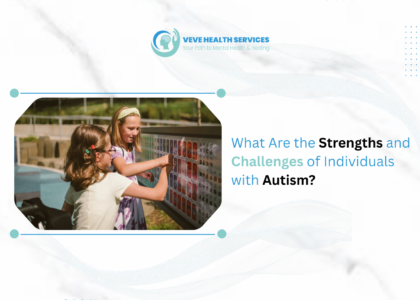
Autistic people possess numerous positive abilities. Some people are able to see little things that others fail to see. Some learn diligently about a subject and become professionals. Autistic people should be treated with a sense of dignity. We value autism inclusion and inquire about their likes and needs. We make no attempts to reform their character. We assist them in developing skills that are of interest to them.
Simple Tips for Families
- Watch and listen to your child. Let them show you what they like.
- Keep a calm routine when possible. Routines can feel safe.
- Use clear, short words. Show with pictures or gestures.
- Give quiet time and a safe place when things feel too loud.
- Talk with teachers and doctors early if you worry.
Final Thoughts
Autism can be called a psychiatric disorder by doctors, so that people can get help. Yet it is also a way of being. People with autism are people first. They can learn, laugh, and love. They can grow strong skills and find joy.
If you think your child or a person you care about might be autistic, reach out for an evaluation. Good help can make life smoother. We are here to listen and to work with you, step by step.
FAQs
Q. Can autism be helped?
Yes. Lessons, routines, and some medicines can make life easier. Help focuses on the skills the person needs.
Q. Will my child be okay when they grow up?
Many autistic people grow up happy and do well. With support, they learn skills and find jobs and friends.