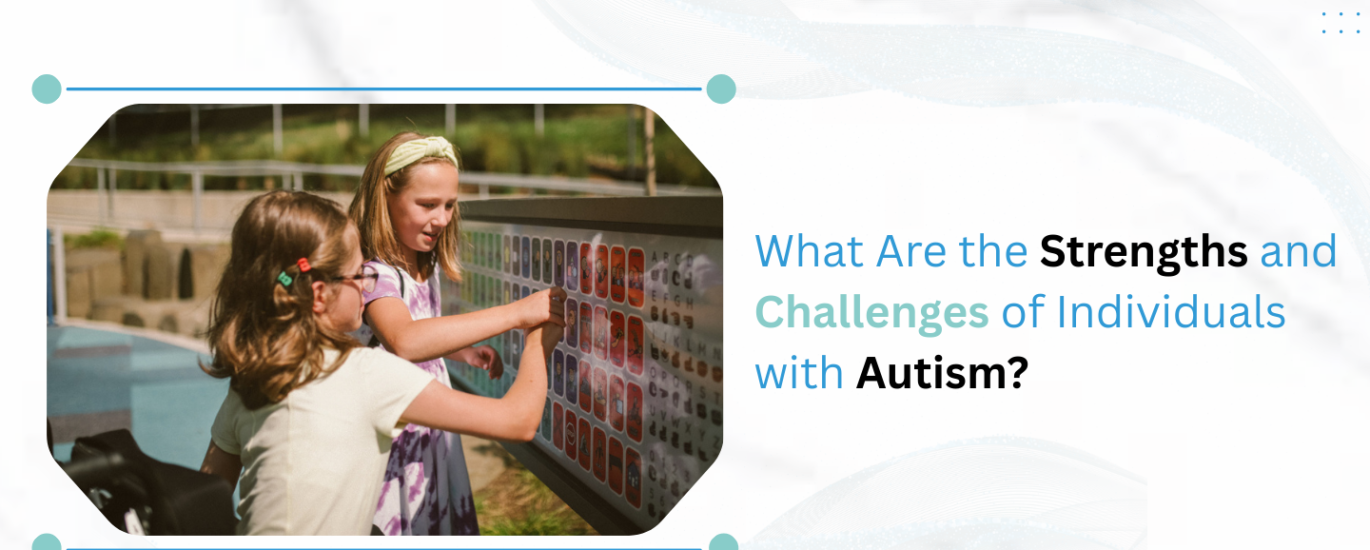
Autism is part of how a person thinks, learns and feels. It is not one thing. It is a group of traits that make each person different. Some parts are strong. Some parts are hard. We want to help you see both. We also want you to know how Veve Health Services can help.
Strengths Often Seen in People with Autism
People with autism have many gifts. These gifts can shine at home, at school and at work.
- Focus and Deep Interest
Some people can focus for a long time on things they love. They learn a lot about that topic. This can help with jobs and hobbies. - Good Memory
Many remember facts, dates, or how to do things. This makes them very helpful for detail work. - Honest and Direct
People with autism often speak plainly. They tell the truth. This builds trust. - Strong Pattern Skills
They can see patterns in numbers, music, art, or code. This can help with science, math and design. - Visual Thinking
Some think best with pictures, maps, or diagrams. This helps with drawing, building and solving puzzles. - Creativity and New Ideas
People with autism can see the world in new ways. They bring fresh ideas to teams. - Loyalty and Routine
When they care, they are steady and loyal. They follow routines and get tasks done on time.
Common Challenges People with Autism May Face
Not every person with autism has the same challenges. But some things come up often.
- Social Communication
Talking and reading social cues can be hard. A person may not know what a smile or a word really means. - Sensory Sensitivities
Lights, sounds, smells, or touch can feel too strong. This can make places like stores or loud rooms scary. - Change and Routine
Sudden change can be stressful. New plans or new people can cause worry. - Anxiety and Stress
Many feel nervous in new places or at school. Worry can make daily life hard. - Executive Functioning
Tasks like planning, starting work, or finishing chores can be tough. Time and organization may be hard. - Co-Occurring Health Needs
Some also have ADHD, sleep trouble, mood issues, or learning differences. These need care too.
How We See Strengths and Challenges Together
Strengths and challenges are linked. For example, focus can be great for a job. But it can also make it hard to switch to a new task. Knowing both sides helps us care for the whole person. We want to build on strengths. We want to reduce what makes life hard.
How Veve Health Services Helps
We at Veve Health Services use a care plan that fits the person. We mix tools to help you or your loved one grow.
- Evaluations & Diagnosis
We do careful checks to find what a person needs. This is the first step to getting the right help. - Medication Management
When needed, medicine can ease worry, sleep, or mood. We watch closely to make sure it helps. - Psychoeducation
We teach families, schools and caregivers. Learning simple steps can make big changes at home. - Telepsychiatry & In-Person Visits
You can see us online or in the clinic. We make it easy to meet with our team. - Autism Spectrum Disorder Services
We know autism is different for each person. Our care is made just for you. - Specialized Programs
We offer programs for skills like social thinking, daily living and school support.
Our care is holistic. That means we look at the whole person. We use therapy and medicine when it helps. We honor culture and family needs. We create a plan just for each person. We help all ages and work on many concerns like anxiety, ADHD, mood, sleep and trauma.
Simple Ways Families and Teachers Can Help
Small steps at home and school can make a big difference.
- Keep a calm routine.
Use simple schedules and pictures. - Use clear words.
Say exactly what you mean. - Make sensory tools ready.
Sunglasses, headphones, or a quiet spot can help. - Teach one skill at a time.
Break tasks into small steps. - Focus on what the person can do.
Praise effort and success. - Ask for help from professionals.
Early support helps long-term.
Tips for Employers and Friends
People with autism bring value to any team. Here are simple ways to help them succeed.
- Give clear instructions in writing.
Short steps work best. - Offer a quiet workspace.
Reduce bright lights and loud noise when possible. - Allow flexible routines when you can.
Let people work on tasks they do well. - Use coaching and feedback.
Specific feedback helps skill growth.
A Caring and Real Message
Autism is not a flaw to fix. It is part of a person. We want to help people live full lives. We want to build on what they do well. We also want to make hard things easier.
If you are worried or curious, we can help. Veve Health Services is here for you. We bring skilled care, cultural respect and hope. We will listen. We will make a plan that fits your life.
You are not alone. We are here for you. Contact Veve Health Services and let us walk with you toward better days.
FAQs
Q. How do I get help from Veve Health Services?
Contact Veve Health Services. We listen, do an evaluation and make a plan that fits you.
Q. Can adults have autism too?
Yes. People of all ages can be autistic and get help.