
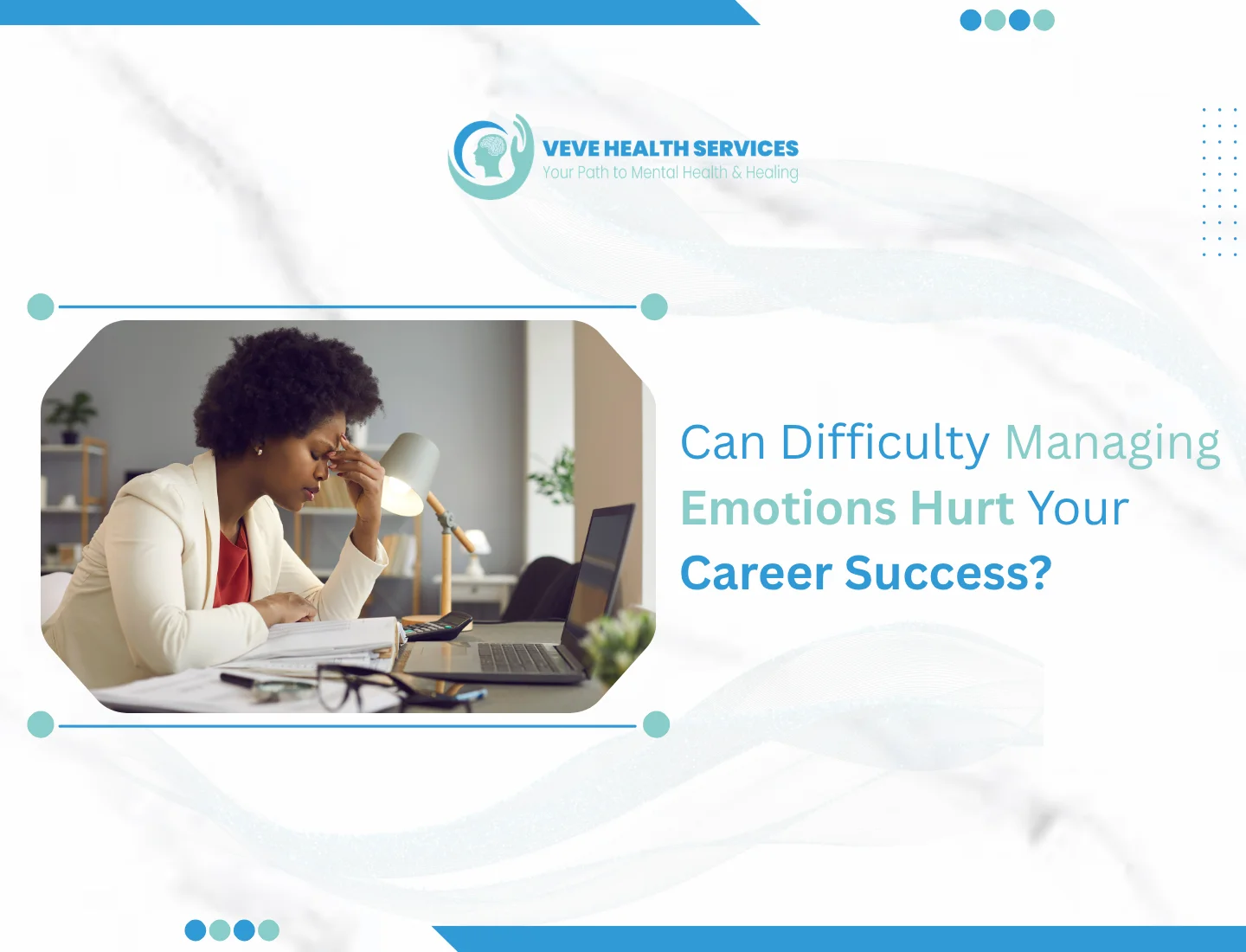
Yes. It really can. Remember your worst shift, the company laptop dies just before a big launch, losing hours of great work, or a greedy coworker takes all the credit for your smart design. You choke. Your skin is feverish and hot while your hands tremble nonstop, you either have to scream or quietly hide under the desk and sob.
We all struggle sometimes. Common feelings are completely normal (they show what we want to protect), but when strong reactions happen, they can take over your path. That intense flooding will quickly wreck your work life. Opportunities vanish. You foolishly miss out on those prestigious accounts. You harshly repel the remarkable teammates who truly appreciated working alongside one another. Eventually, one really bad outburst might even get you outright fired. Let us thoroughly examine exactly why this destructive cycle happens and what you must change starting right now.
What Emotional Control at Work Really Looks Like
Control does not mean you turn into a cold, unfeeling robot, nor does it mean you must pretend everything is fine when your day is falling apart. Instead, it simply means you give yourself a brief moment to think before you react.
Say your boss tells you to redo a massive report. Poor control makes you slam your keyboard, roll your eyes and send back a nasty note in all capital letters. Good control feels very different because, while you still feel annoyed – anyone would feel annoyed in that moment – you pause and take a slow breath. You ask what needs fixing before you calmly get back to work.
When you learn to guide your emotions, good things happen on the job:
- You make very smart choices even when you are under heavy pressure.
- You maintain peaceful and productive ties with your teammates.
- You solve hard problems without getting stuck in a panic.
- You protect your good name and reputation at the company.
Common Signs Your Feelings Are Holding You Back
It is terribly easy to blame a miserable workplace for all of your daily friction. Sometimes, bosses truly are deeply unfair. Yet the real trouble often begins quietly within, heavily rooted in our rapid emotional reactions to tiny bumps.
Here are clear warning signs to carefully monitor today:
- You snap at coworkers over minor mistakes (which hardly matter).
- You send furious messages, regretting them just five minutes later.
- You call in sick purely to dodge one tough managerial chat.
- You dread the office because of intense, suffocating daily tension.
- You break down crying during perfectly standard, routine performance reviews.
- You freeze from anxiety, blowing right past your crucial deadlines.
- You lie awake, endlessly replaying small comments all night long.
If these habits reflect your week, please do not surrender. You are not fundamentally broken, you simply need to acquire better, more effective coping tools to help an exhausted, overworked mind finally find some genuine, lasting peace today.
How Big Outbursts Damage Your Career Growth
Your hard skills get you hired, but your emotional skills get you promoted. When you cannot stay steady, bad things happen to your career path.
- You lose the trust of your team. People naturally want to work with folks who stay steady. If teammates constantly worry about your temper, they will stop coming to you with fresh ideas and walk on eggshells around you, which makes teamwork nearly impossible.
- You miss out on leadership spots. Companies need managers who stay cool when things go badly. If stress makes you shut down or shout, bosses will not trust you with bigger roles because they will always pick someone who stays calm in a storm.
- Your daily stress gets worse. Living in constant fear of your own reactions is completely exhausting. The National Institutes of Health shares that long-term stress actually harms your memory and your focus, meaning you will make simple mistakes that cause even more stress.
- You put your paycheck at risk. Every single business needs reliable workers and too many blowups will bring formal warnings from human resources. In the end, this lack of control can easily lead to getting fired.
Why Controlling Big Feelings Is So Hard
Nobody deliberately wakes up hoping to ruin their day at work. We genuinely want to succeed. But sometimes that sudden anger hides a much deeper issue, you are completely exhausted.
- Poor sleep and burnout. When you do not rest, the front of your brain simply stalls. That specific zone normally acts as the ultimate filter (keeping you polite) and stops those awful comments.
- Underlying health needs. With ADHD, your thoughts move quickly and being patient is tough. Anxiety makes your body feel as if it is in a panic. Every basic message feels like an actual threat. Depression saps the last of your drive, so basic day-to-day tasks suddenly feel really tough.
- Past trauma. Growing up in a highly toxic house taught your brain to lash out instantly to stay safe. Sadly, that very same defense strikes during a totally normal staff meeting today. It truly is frustrating.
Simple Steps You Can Take Today
Practice is needed to change your brain, you won’t see results overnight. Small habits pile up quickly.
- Adopt the five-second rule. Whenever sudden fury (or deep frustration) strikes, halt your actions. Count slowly. Reach five before speaking a single syllable aloud.
- Walk away from the desk. Take a quick stroll. Drink some freezing-cold water. This forces your racing, panicked heart to finally slow its rhythm down.
- Use a timer. Never send an angry email immediately. Save the draft. Step away for thirty minutes, then read it again with entirely calm, fresh eyes.
- Write down raw thoughts. Grab scrap paper. Scribble out exactly what makes you so mad. Empty your mind. Once it is fully extracted, throw that ruined paper away.
- Talk to a trusted friend outside work. Find someone safe. Share your heavy stress with a compassionate person who has absolutely nothing to do with your current, highly stressful day job.
Getting Real Help from Veve Health Services LLC
Sometimes those deep breaths and brief walks just fall short. That is okay. When massive emotions derail your career, seeking professional help is not defeat, it is the absolutely smartest move you can make to firmly defend your livelihood.
Veve Health Services LLC genuinely restores the normal lives of tired people. Operating across Virginia and Maryland, they deliver compassionate, specialized mental care (even when things feel completely hopeless) directly to you.
Their skilled providers offer tailored, practical support targeting the actual root problem:
- Full psychiatric evaluations. Doctors examine absolutely everything. You get definitive answers about your struggling mind and body.
- Safe medication management. If unusual chemistry or severe ADHD drives your daily reactions, experts secure the ideal prescription and monitor your progress.
- Practical psychoeducation. Learn straightforward skills. Disarm your stressful work triggers long before they can explode.
- Easy telepsychiatry visits. Log on from home. You meet top providers virtually, so you never miss another hour of crucial work.
You strive too diligently to permit unmanaged feelings to obstruct your journey forward. Professional care provides you with effective methods to remain stable, create important industry connections and achieve all the milestones you aim for.
FAQs
Q. Can big feelings hurt job success?
Yes. Getting too mad or sad can make work hard. It can even cause job loss.
Q. Does writing bad thoughts down help?
Yes. Write the mad thoughts on paper. Get them all out. Then, throw the paper in the trash.